Our experienced musculoskeletal physiotherapists at Manchester Physio help many people with buttock problems. There are many structures around the buttocks including your joints and soft tissue. A skilled assessment of your back, pelvis and hip will allow your physiotherapist to understand the nature of your buttock problem and develop a treatment plan to help you. The types of conditions affecting the buttocks that we commonly treat at Manchester Physio include:
At Manchester Physio your specialised physiotherapist will develop an individualised rehabilitation program with structured treatment goals to ensure that you make the best possible recovery and return to your everyday and sporting activities as soon as possible.
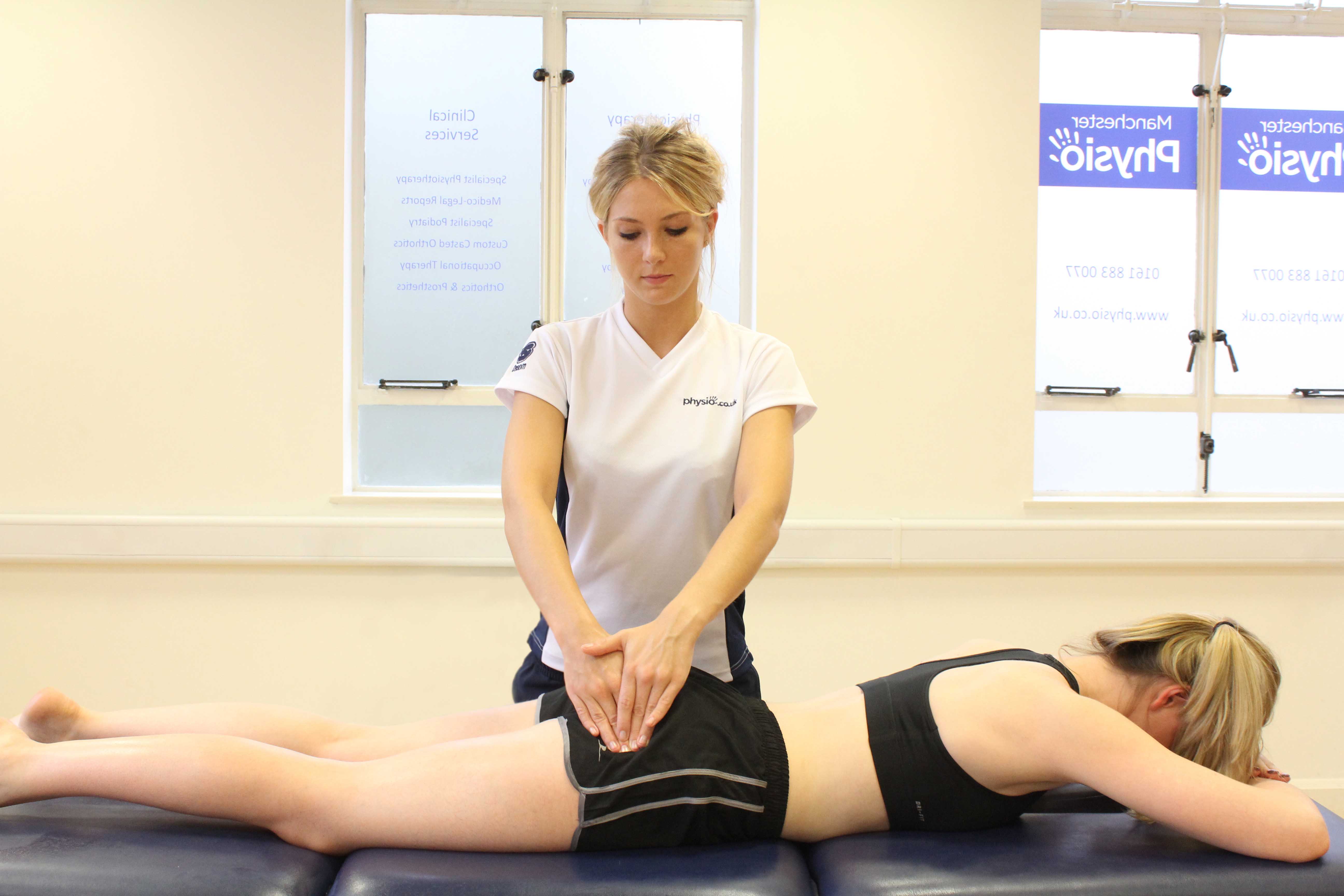
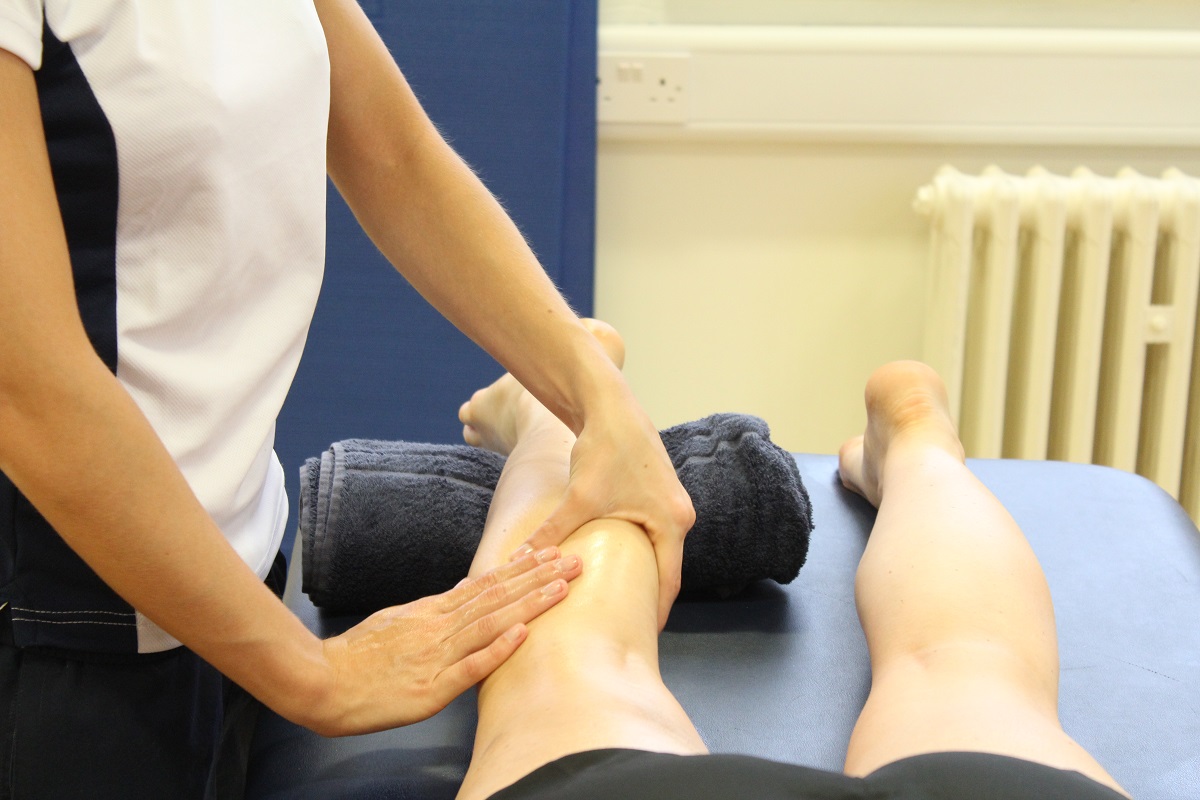
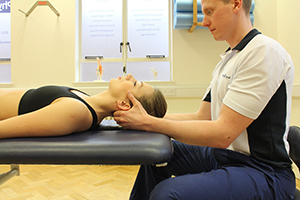
Above: A physiotherapist releasing the piriformis which can lead to secondary problems if not treated.
For more information as to whether you would benefit from physiotherapy, or to book an appointment please call
0161 883 0077.




 0161 883 0077



















 f
f