


 0161 883 0077










What is a disc prolapse?
A disk prolapse, or �slipped disk�, occurs when the thick paste-like disc nucleus is pushed out through a tiny defect in the fibrous disc wall. This bulge of nucleus can irritate the nerve root causing pain, which may radiate down the leg.
What causes a disc prolapse?
A disc prolapse usually occurs when pressure is placed on the spine when lifting a heavy object in the wrong way. A direct injury such as a fall or a whiplash accident can cause a disc prolapse.
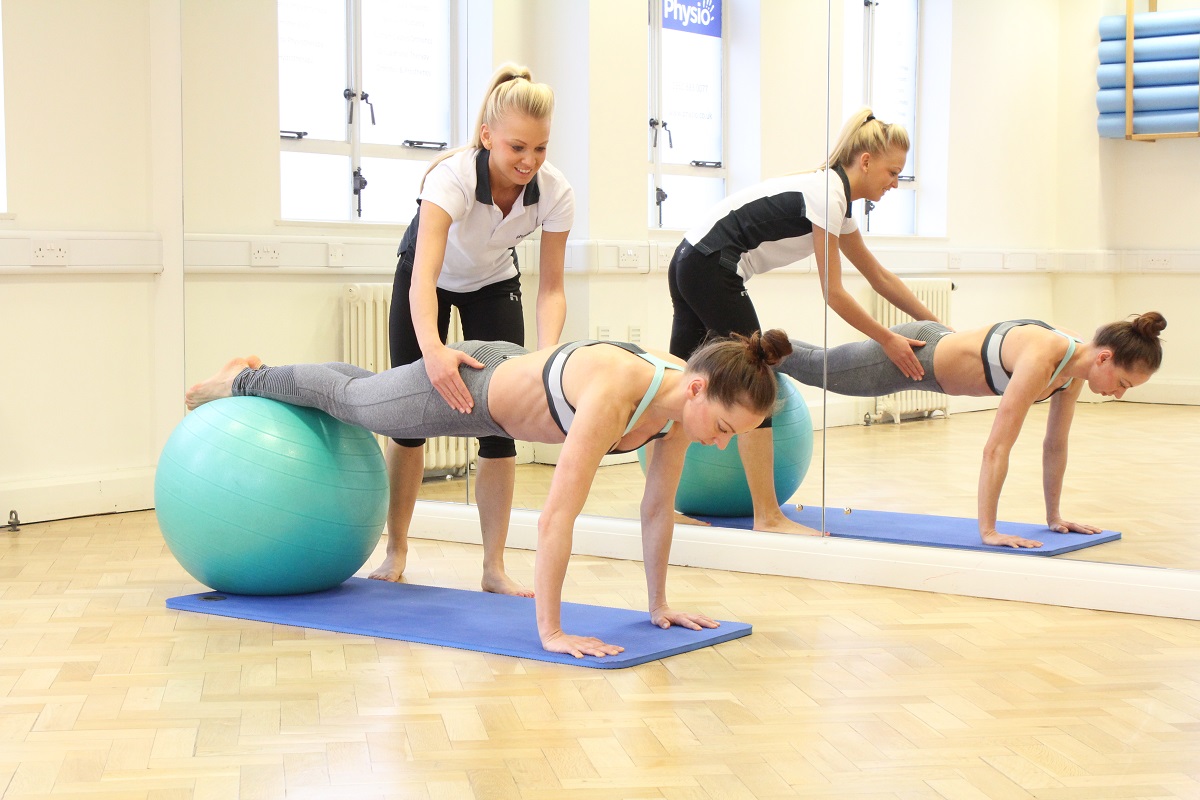
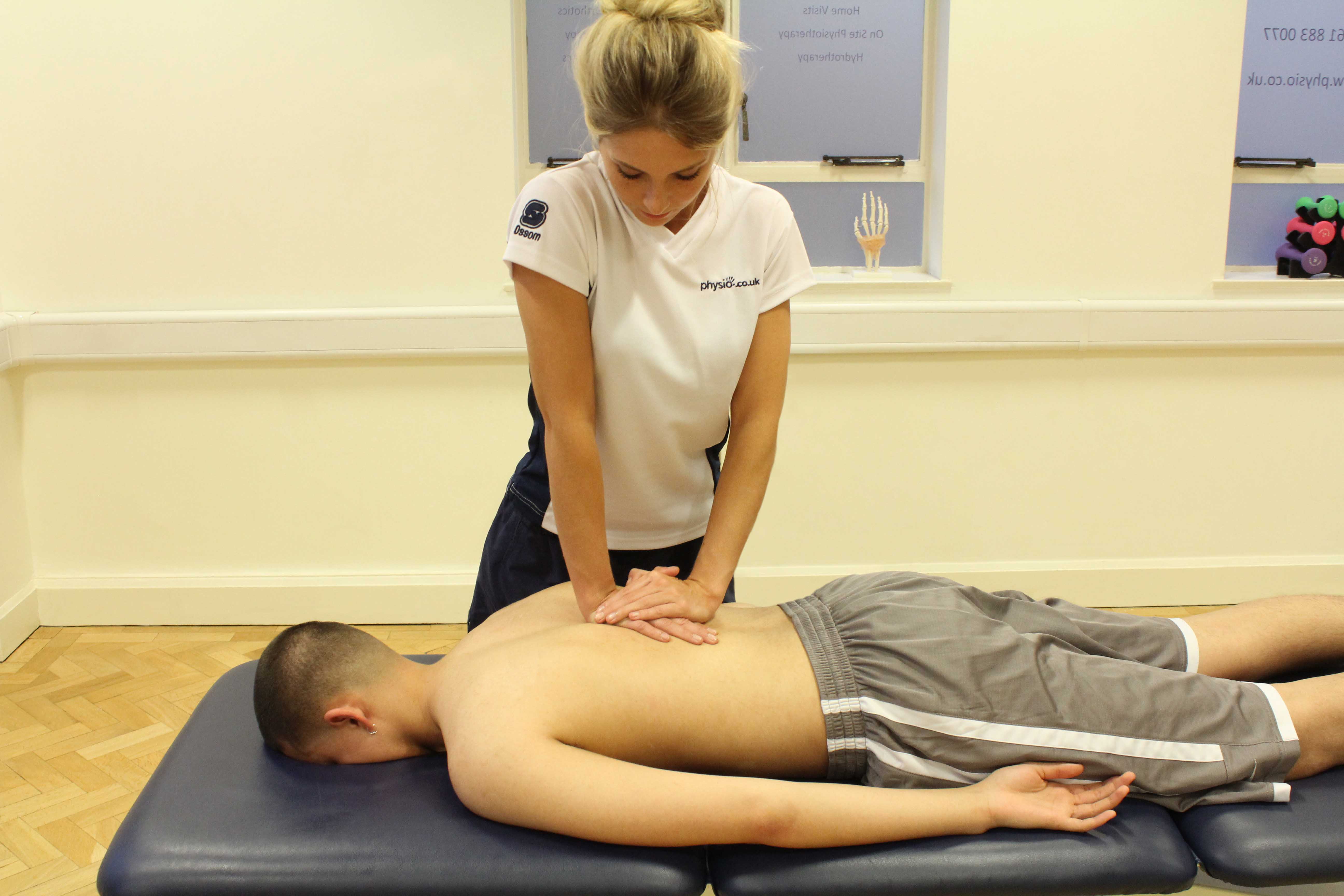 Above: Physiotherapists can help explain why you are experiencing pain and discomfort in your back so you have a better understanding.
What are the symptoms/effects of a disc prolapse?
People with a disc prolapse typically present with acute low back pain and/or leg pain following a relatively trivial movement usually involving bending forward. Pain is often aggravated by sitting, bending, lifting, coughing and sneezing. Pain is usually eased by lying down, particularly on the non-painful side, and is often less in the morning after a nights rest.
Diagnosis of a disc prolapse
A doctor or physiotherapist can diagnose a disc prolapse from your symptoms, medical history and through physical assessment.
Physiotherapy treatment for a disc prolapse
Physiotherapy treatment is very effective at reducing pain and stiffness and improving muscles strength and flexible following a disc prolapse.
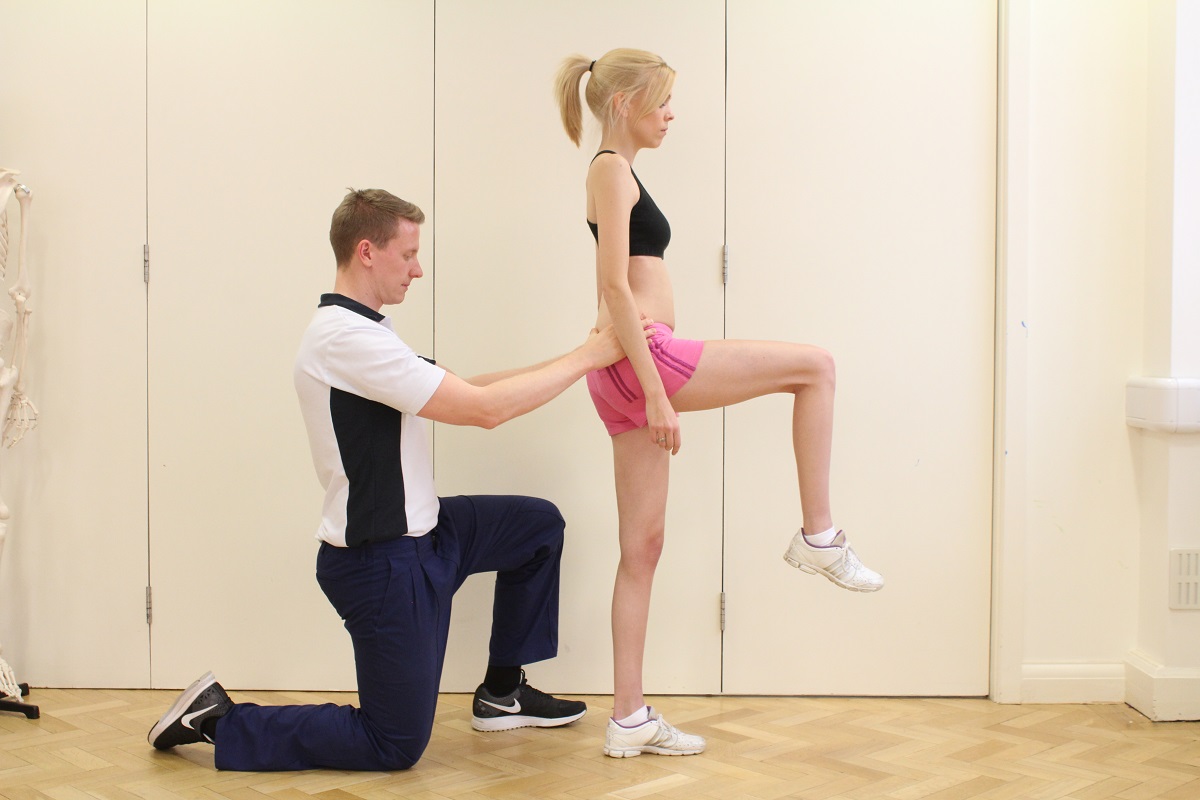
Your physiotherapist at Manchester Physio will develop an individually tailored exercise plan for you to relieve pain, keep you strong and flexible and help prevent any further damage being caused to your back.
Physiotherapy treatment in the acute phase will consist of advice on how to modify activity, and use of painkillers. As the acute episode settles, physiotherapy treatment for disc prolapse may include:
- Extension exercises to relieve nerve root irritation and pain
- Heat therapy
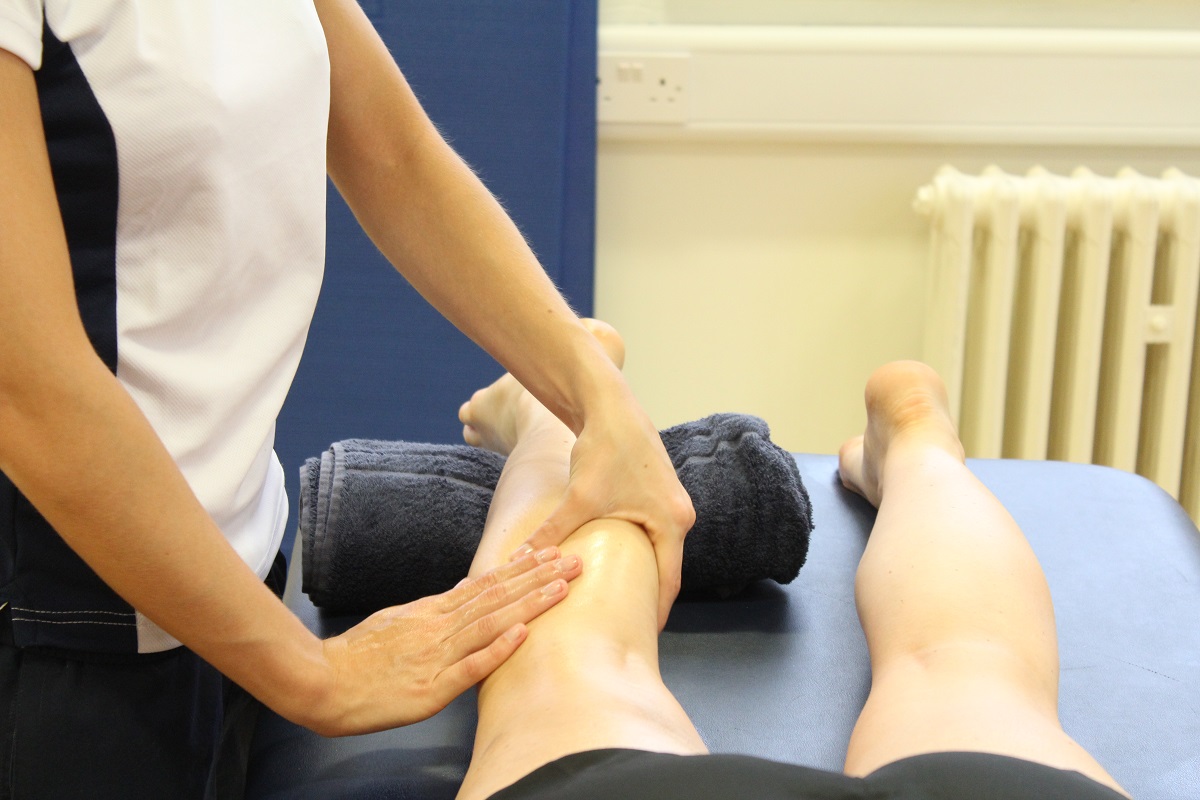
- Soft tissue massage
- Back exercise program including strengthening and stretching exercises to restore normal pain-free movement to the area and stabilise the spine.
- Joint mobilisation to relieve pain and stiffness
- Acupuncture
- Electrical stimulation such as TENS to help with pain
- Postural advice
For more information about physiotherapy for a disc prolapse, or to book an appointment please call 0161 883 0077.






 f
f