



 0161 883 0077














What is a Frozen Shoulder?
A frozen shoulder or adhesive capsulitus is inflammation of the connective tissue surrounding the shoulder joint which causes pain and stiffness and affects the ability to move the shoulder. Frozen shoulder reduces normal movement in the shoulder joint and, in some cases, it can prevent movement in the shoulder altogether. Frozen shoulders affect around 3% of the population and are slightly more common in women.
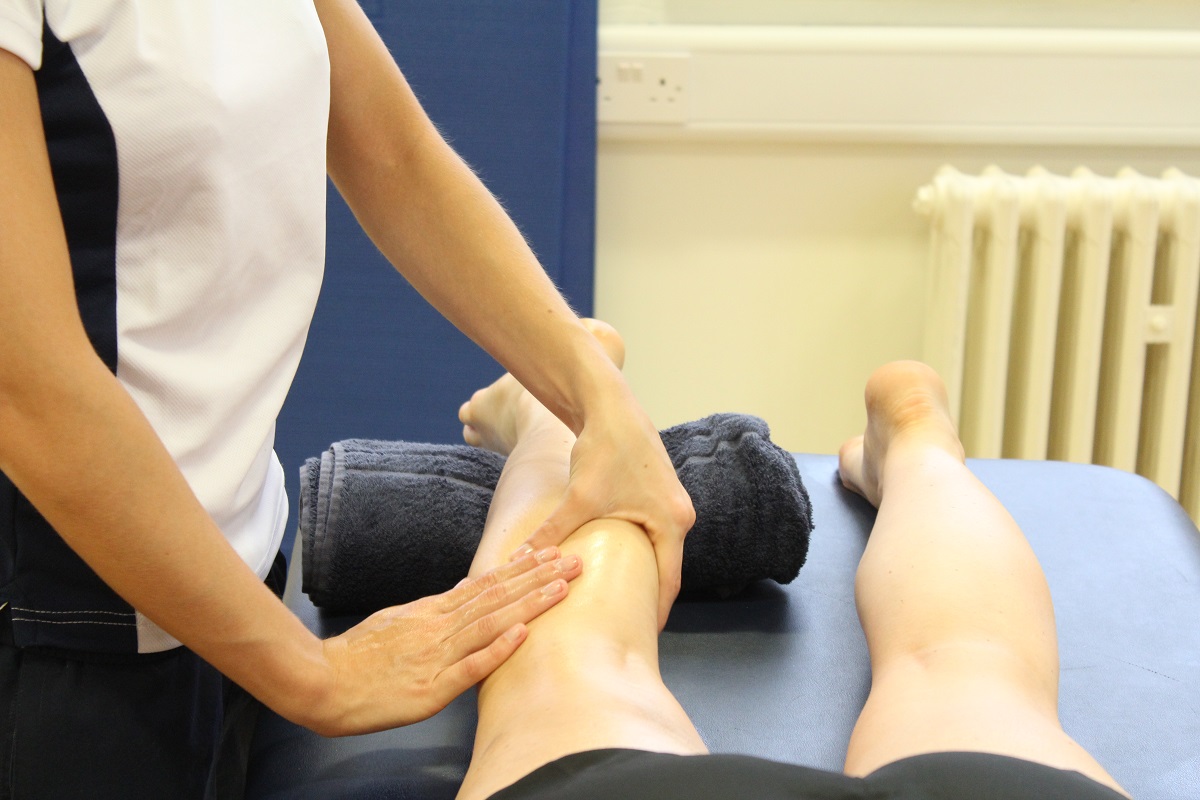
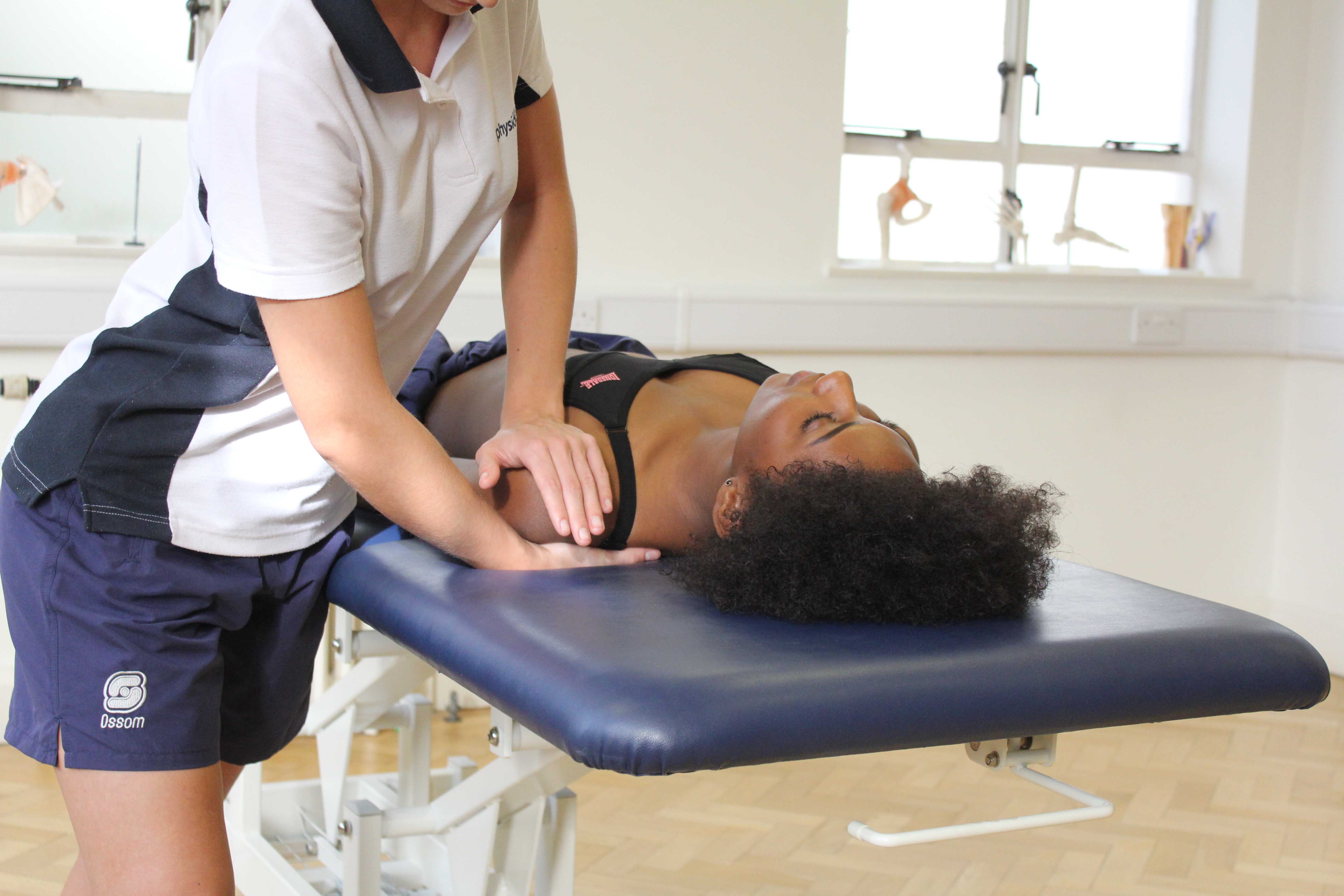 Above: Anterior to posterior mobilisations of the glenohumeral joint to relieve pain and stiffness
What causes a frozen shoulder?
Frozen shoulder often occurs with no explanation. Some people may develop a frozen shoulder after a traumatic injury, but this is not always the case. There are some factors that make suffering from a frozen shoulder more common. These include:
- Shoulder trauma or surgery - if you have a shoulder injury frozen shoulder may occur, but not always. Surgery also increases the risk, especially if it is followed by a sustained period of joint immobilisation
- Age and gender - You are most likely to suffer from a frozen shoulder between the ages of 40 and 60, and as previously mentioned, women are more prone to suffering from a frozen shoulder than men
- Endocrine disorders - people who have diabetics or thyroid problems are particularly at risk from suffering from a frozen shoulder
- Other systemic conditions - heart disease and Parkinson's diseases have been associated with an increased risk of developing a frozen shoulder.
What are the symptoms of a frozen shoulder?
Pain and stiffness in the shoulder joint, pain at night when lying on the affected side and limited range of motion.
A frozen shoulder tends to have three 'stages' to it:
- You will suffer some pain but will notice that you still have limited movement
- The pain will ease off, but movement will become very limited
- Finally the shoulder loosens up and returns to normal with full movement.
Diagnosis of a frozen shoulder
A frozen shoulder can be diagnosed on examination by a physiotherapist. An X-Ray is occasionally taken to confirm that there are no other problems or possible causes for the shoulder pain.
Physiotherapy Treatment for a frozen shoulder
At Manchester Physio, our specialised physiotherapists are experienced at assessing and treating people with a frozen shoulder. Physiotherapy treatment will promote recovery and ensure you get your shoulder moving normally so you can continue with everyday activities with independence.
- Structured exercise program including and specific stretching and strengthening exercises, to increase the range of movement in the shoulder joint and to minimise the loss of muscle. Exercise and stretching the affected shoulder is integral to ensure your shoulder returns to its normal functionality
- Ultrasound
- Heat therapy
- Advice about cortisone injections (used to decrease the inflammation in the frozen shoulder joint and help reduce pain. They also help allow more agility when stretching and exercising. Cortisone is only effective when used in conjunction with physiotherapy).
For more information about physiotherapy for shoulder problems, or to book an appointment please call 0161 883 0077.








 f
f