
Shoulder Pain
Normal function of the shoulder is vital for completing activities of daily living and popular sports. A reduction in shoulder function can lead to a lowered quality of life. Manchester Physio has extensive experience in designing specific rehabilitation programs for the shoulder complex. Common causes of shoulder pain, treatment and prevention:
Rotator Cuff
Shoulder Instability
AC Joint
Referred Pain
Shoulder Injury Treatment
Shoulder Injury Prevention
Rotator Cuff
The rotator cuff is a group of four muscles that balance the forces of larger, global muscles and control the head of the humerus (arm bone) during movement of the arm. The rotator cuff muscles can be affected in a variety of ways such as tendinosis, tears, and impingements. Rotator cuff tendinopathy is a commonly seen in athletes. In this condition the rotator cuff tendons become swollen as a result of overuse, faulty biomechanics or as a result of excessive load due to altered shoulder mechanics. Pain associated with rotator cuff conditions is often felt during overhead activities such as throwing, swimming and racquet sports. Pain is increased when the arm is taken out from the side of the body between 70º and 120º.
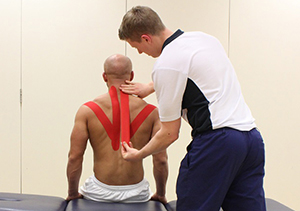
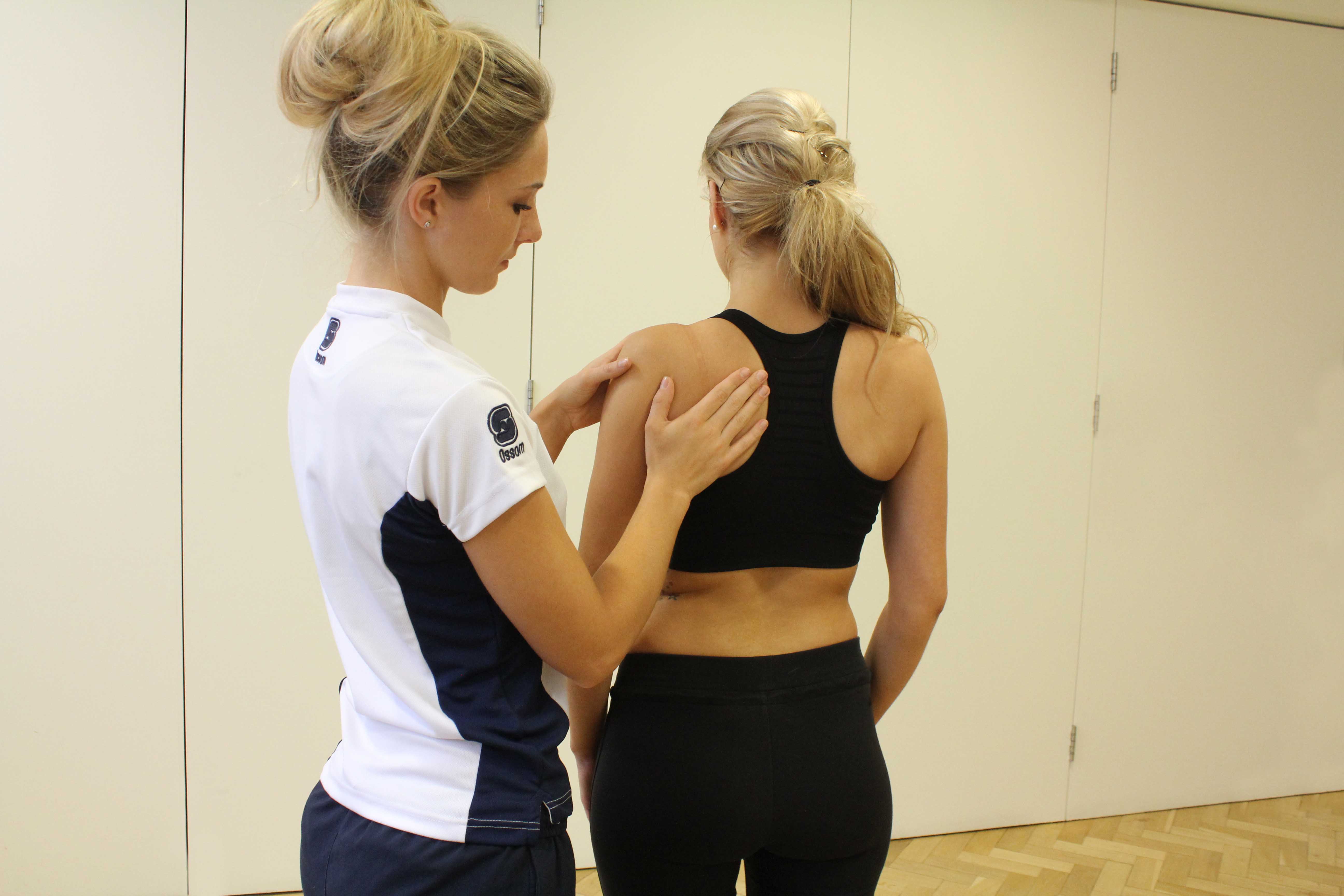
Treatment given at Manchester Physio includes strengthening, reducing aggravating actions, taping, electrotherapy, acupuncture and hands-on manipulations by a physiotherapist. The initial aims of treatment are to reduce swelling and pain within the rotator cuff tendons. Potentially causative abnormalities are also eliminated. As pain and swelling reduce, strengthening exercises are prescribed for the scapula (shoulder blade) stabilising muscles and the rotator cuff muscles themselves.
Shoulder Instability
Shoulder instability may be forwards (anterior), backwards (posterior), downwards (inferior) or multidirectional. Anterior instability may be caused by either trauma, causing a dislocation, or atraumatic with a gradual onset. Surgery is sometimes required to repair the damage caused by a traumatic dislocation. Following surgery it is essential that a personalised rehabilitation programme following recommended guidelines is followed. Atraumatic instability is treated with an intensive rehabilitation program focussing on the strengthening of the rotator cuff muscles and scapular stabilising muscles.
Posterior instability is most commonly seen in athletes. It is treated with strengthening and control exercises for the posterior stabilising muscles.
Multidirectional instability is a combination of instabilities and is usually atraumatic. Multidirectional instability is often associated with joint hypermobility syndrome but can also be caused by repetitive trauma. Treatment involves strengthening of the shoulder stabilising muscles.
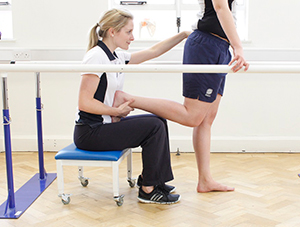
Manchester Physio integrates a global approach to rehabilitation incorporating the patient’s whole body. Our rehabilitation focuses on the strengthening of scapula stabilising muscles and shoulder stability muscles. This is achieved with closed chain rehabilitation, rotator cuff strengthening, plyometrics and proprioceptive exercises.
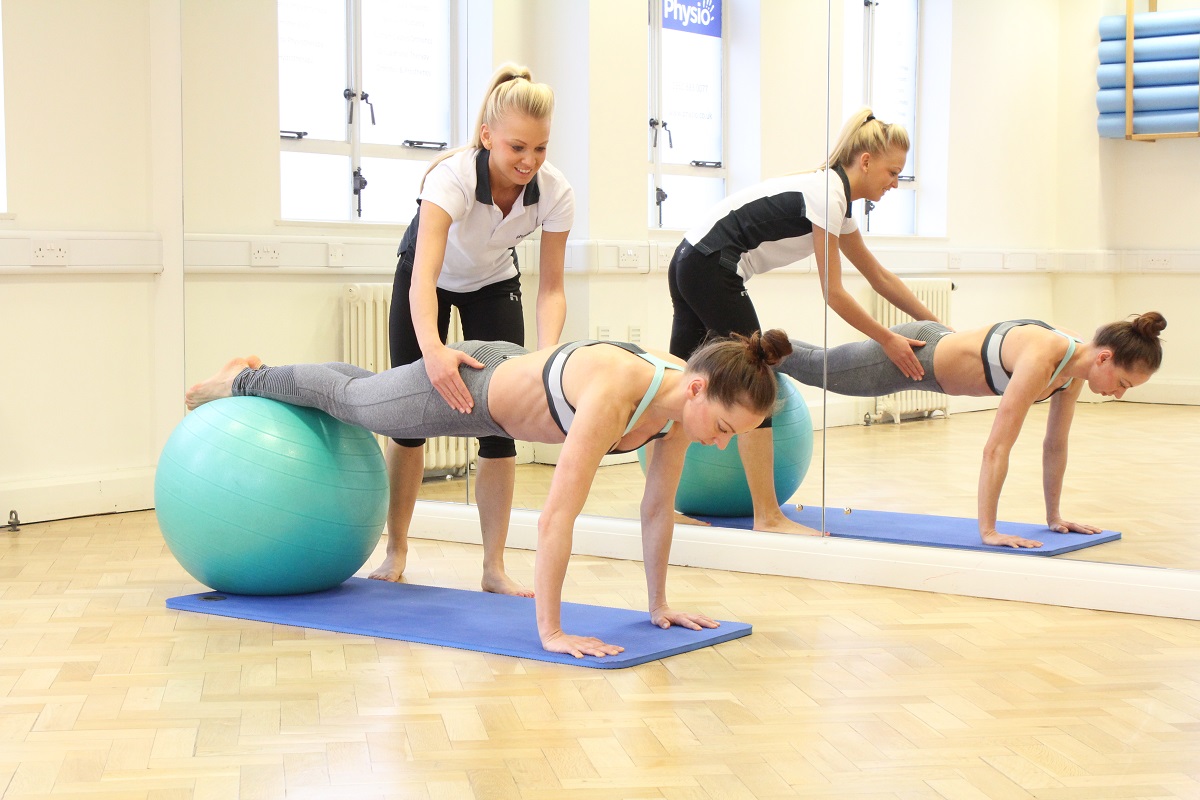
Manchester Physio’s rehabilitation programmes are functional and specific to the individual patient's lifestyle. Treatment modalities used include swiss ball exercises, medicine ball work, electrotherapy and rubber resistance band exercises.
AC Joint
AC joint subluxation is a common injury seen in athletes who fall onto an outstretched hand or onto the point of the shoulder. Manchester Physio may strap AC joint injuries in the initially before prescribing structured mobilising and strengthening programmes.
Referred Pain
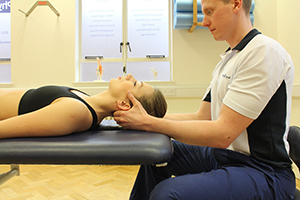
Pain is commonly referred to the shoulder and upper arm form other areas of he body. Dysfunction within the neck frequently causes referred pain to the shoulder region. Treatment involves mobilisation and manipulation of the affected joints causing the referred pain, massage to spasmodic muscles groups and stretching and strengthening exercises.
|