


 0161 883 0077










What is Spondylolisthesis?
Spondylolistheisis is the slipping of one vertebra forward relative to another. It is often associated with defects that usually develop in early childhood and has a definite family predisposition. Stress fractures that develop due to athletic activity rarely result in spondylolisthesis. Spondylolisthesis is most commonly seen in children between the ages of 9 and 14. In the majority of cases it is the L5 vertebra that slips forward relative to S1.
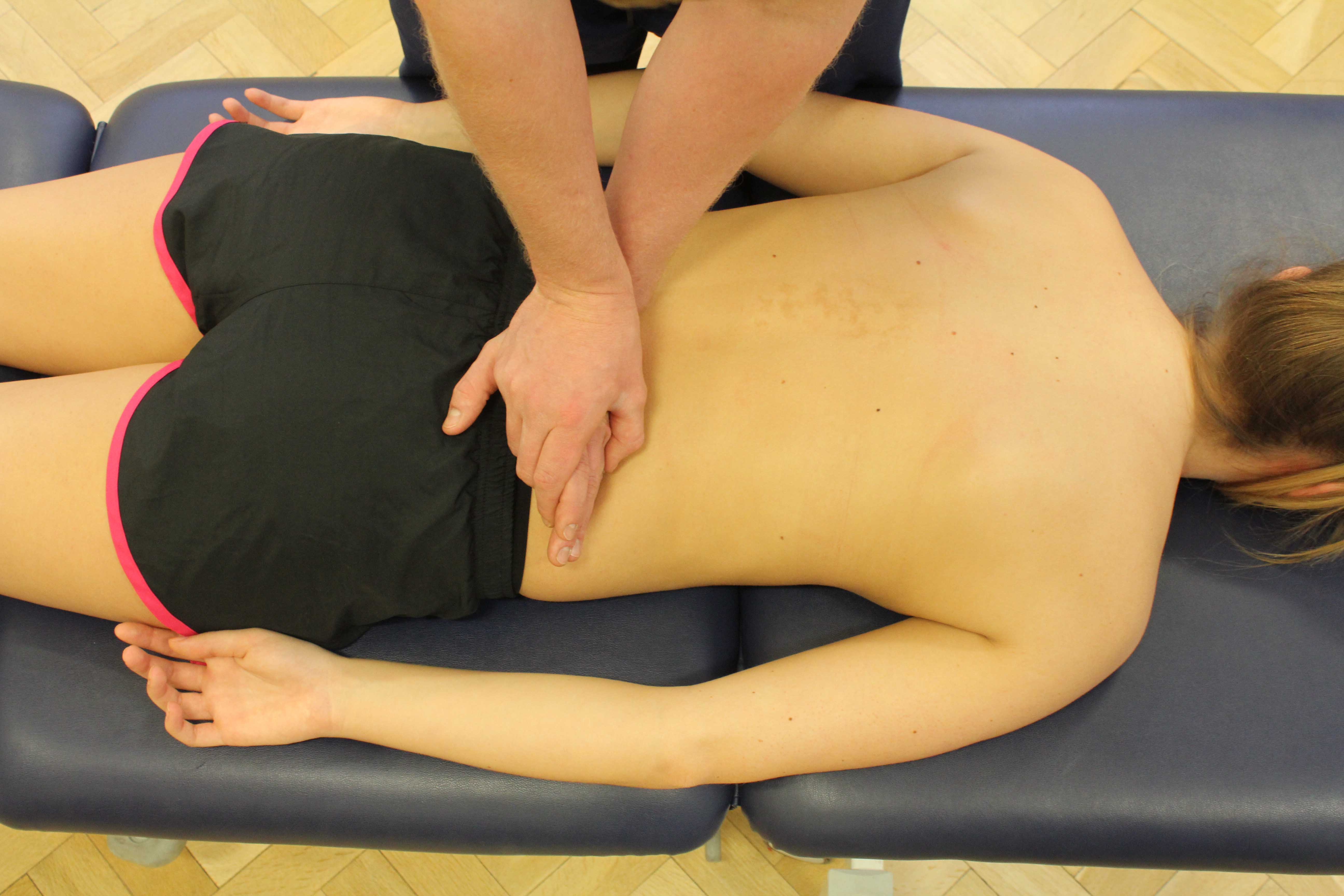 Above: Mobilisations of the vertebrea in the lower back by experienced therapist
What causes Spondylolisthesis
Causes of spondylolisthesis include:
- Spondylosis
- Genetics
- Weakened facet joint which can occur in children
- Infections and degeneration
- Repetitive hyperextension of the spine that comes with such sports as gymnastics, diving, weightlifting and football.
Classification of Spondylolisthesis
Spondylolisthesis is classified according to the degree of slip of the vertebra. A grade I slip denotes that a vertebra has slipped up to 25% over the body of the vertebra underlying it; in a grade II slip the displacement is 25%; in a grade III slip, 50%; and in a grade IV slip; greater than 75%.
Grade I spondylolisthesis is often symptomatic and the patients may be unaware of the defect. Patients with grade II or higher slips may complain of low back pain, with or without leg pain. The back pain is aggravated by extension activities.
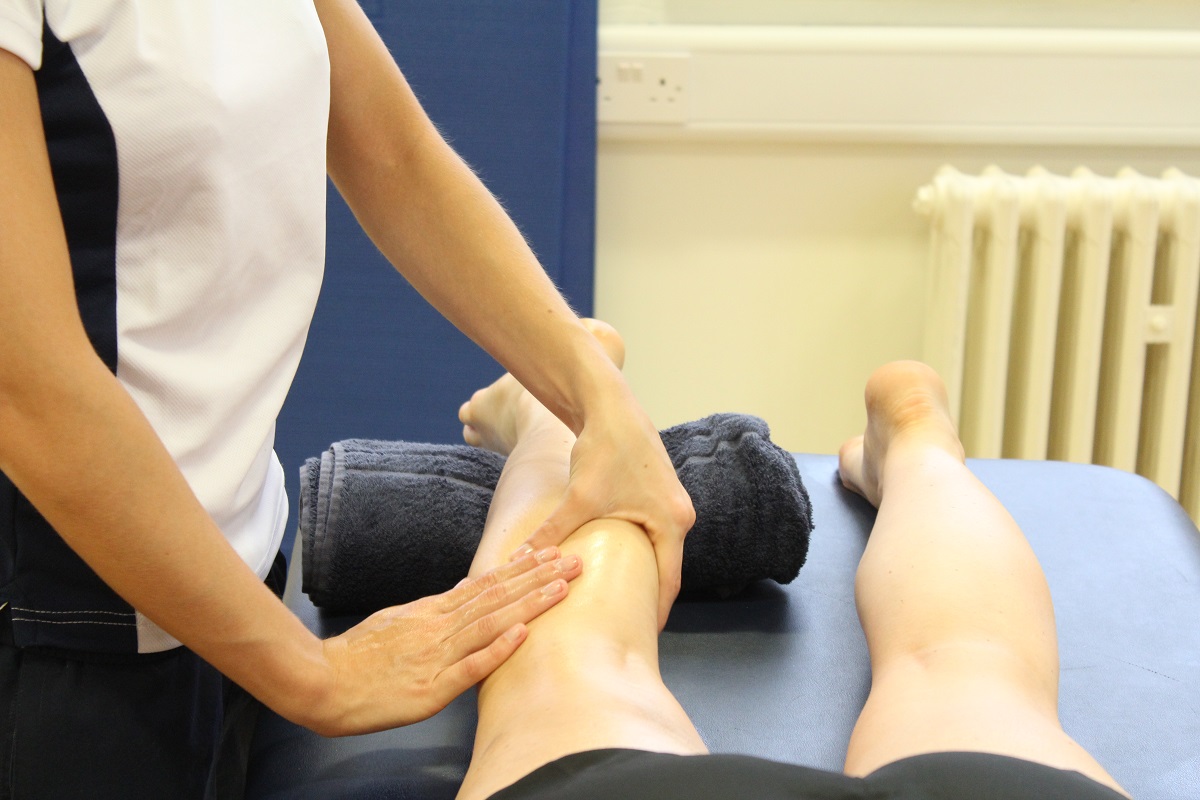
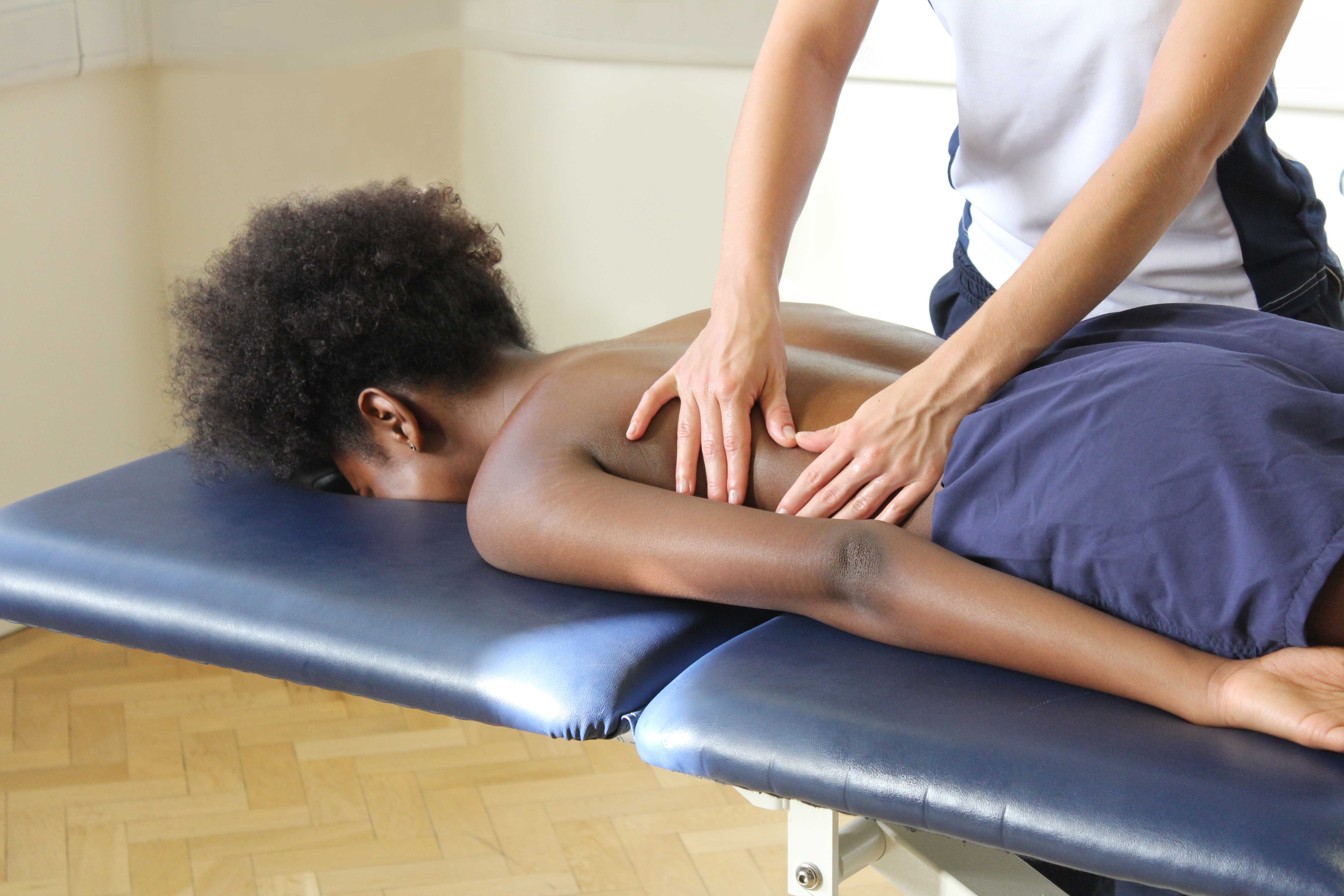 Above: Soft tissue massage of the lower back muscles and connective tissue by specialist therapist
What are the symptoms/effects of spondylolisthesis
The most common symptom of spondylolisthesis is lower back pain. This is often aggravated by exercise especially with extension of the lumbar spine. Other symptoms include stiffness and pain, numbness, tingling or weakness in the legs due to nerve root irritation.
Diagnosis of spondylolisthesis
A physiotherapist or doctor will perform a physical examination to identify the nature of your back pain. You will be referred for an X-ray too see if a vertebra is out of place, and confirm a diagnosis of spondylolisthesis.
Physiotherapy treatment
At Manchester Physio, we provide specialised assessment and treatment for children and adults with spondylolisthesis.
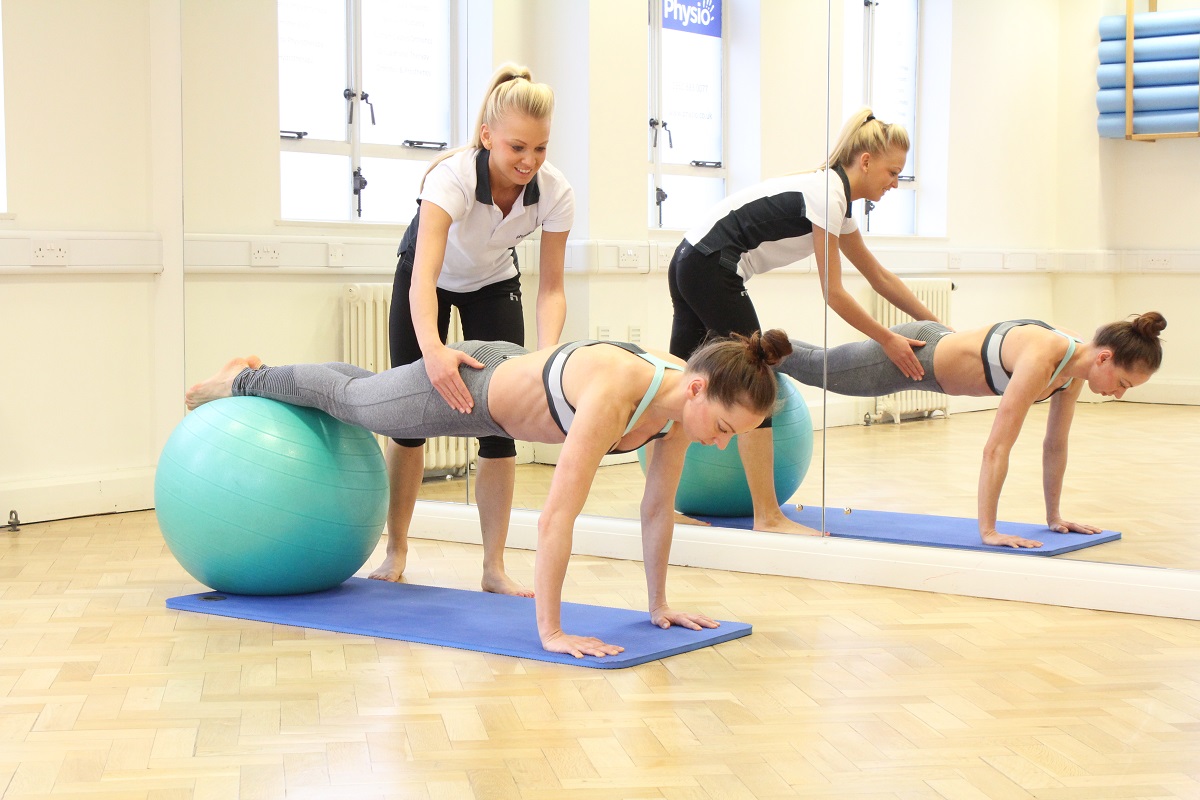
Physiotherapy treatment of people with grade I or grade II symptomatic spondylolisthesis involves rest from aggravating activities, advice about correct posture and lifting techniques while you are recovering combined with abdominal and extensor stabilizing exercises and hamstring stretching.
An exercise program will also be developed and tailored to your symptoms and current level of activity to ensure you keep your back strong and flexible but don't do any more damage.
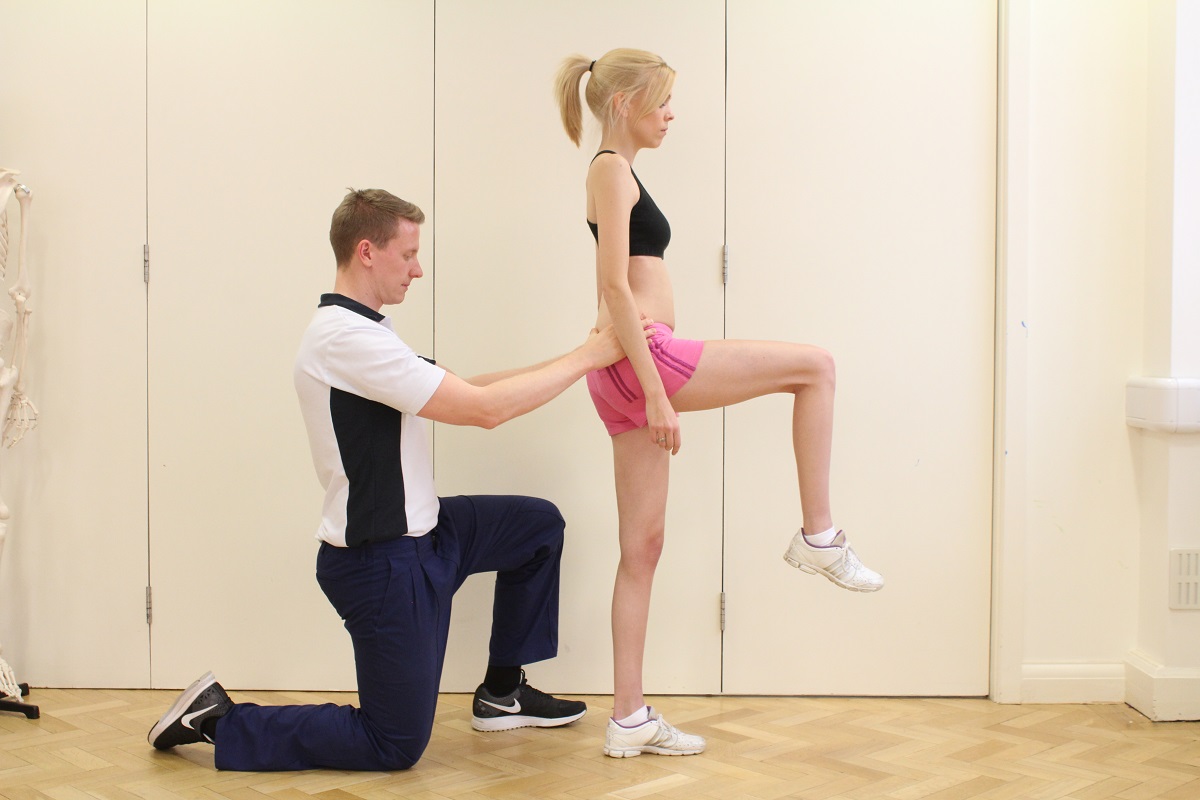
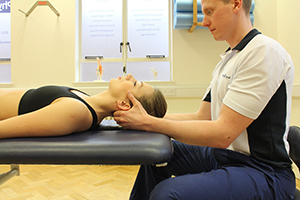
If there is stiffness of the joints above or below the slip on clinical assessment, these joints will be mobilised using hands on techniques.
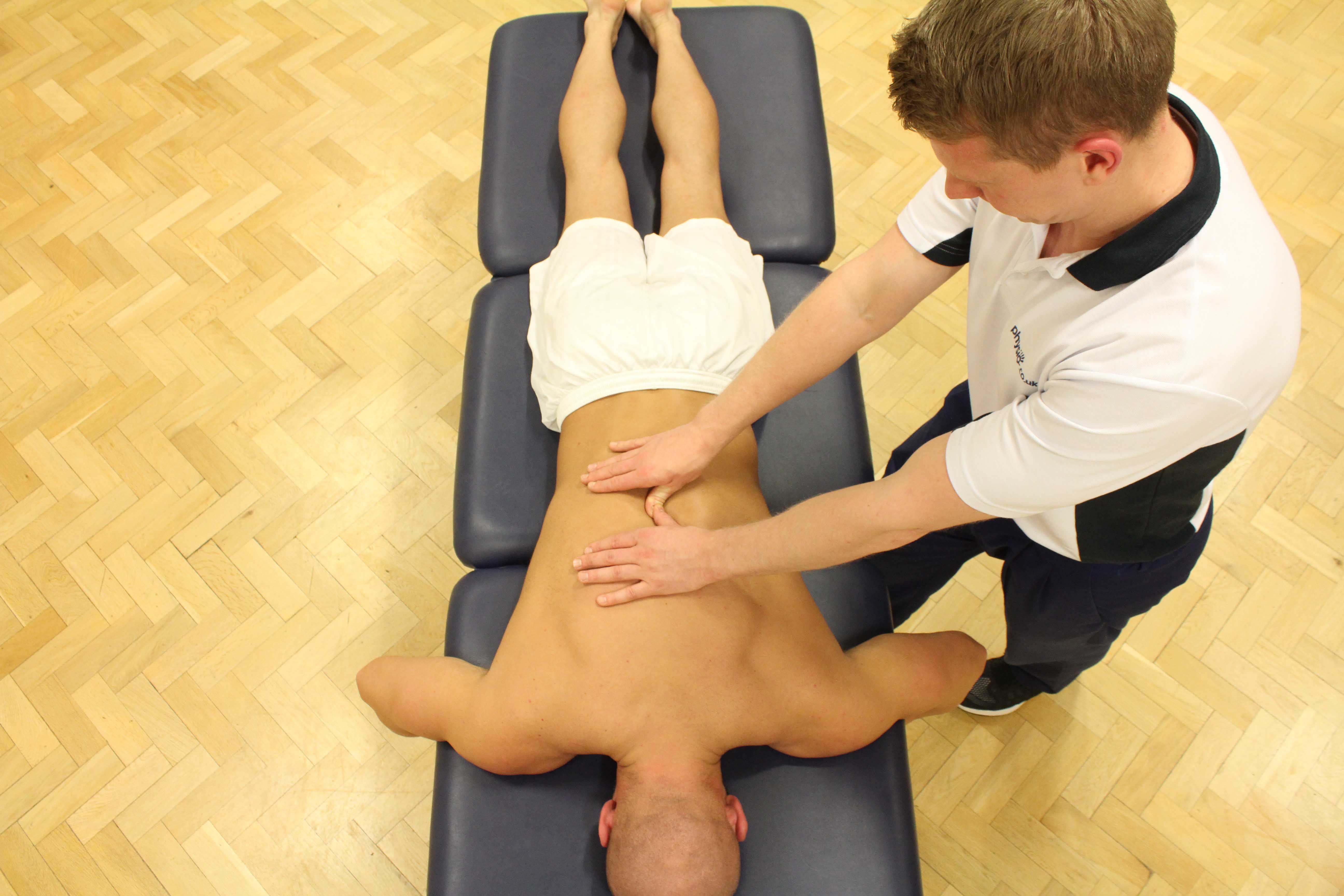 Above: Mobilisations of the vertebrea in the lower back by experienced therapist
Physiotherapy treatment at Manchester Physio will be focused on reducing pain, improving posture, increasing strength of the muscles to help stabilise your back and getting you back to your everyday activities and hobbies with confidence and success as soon as possible.
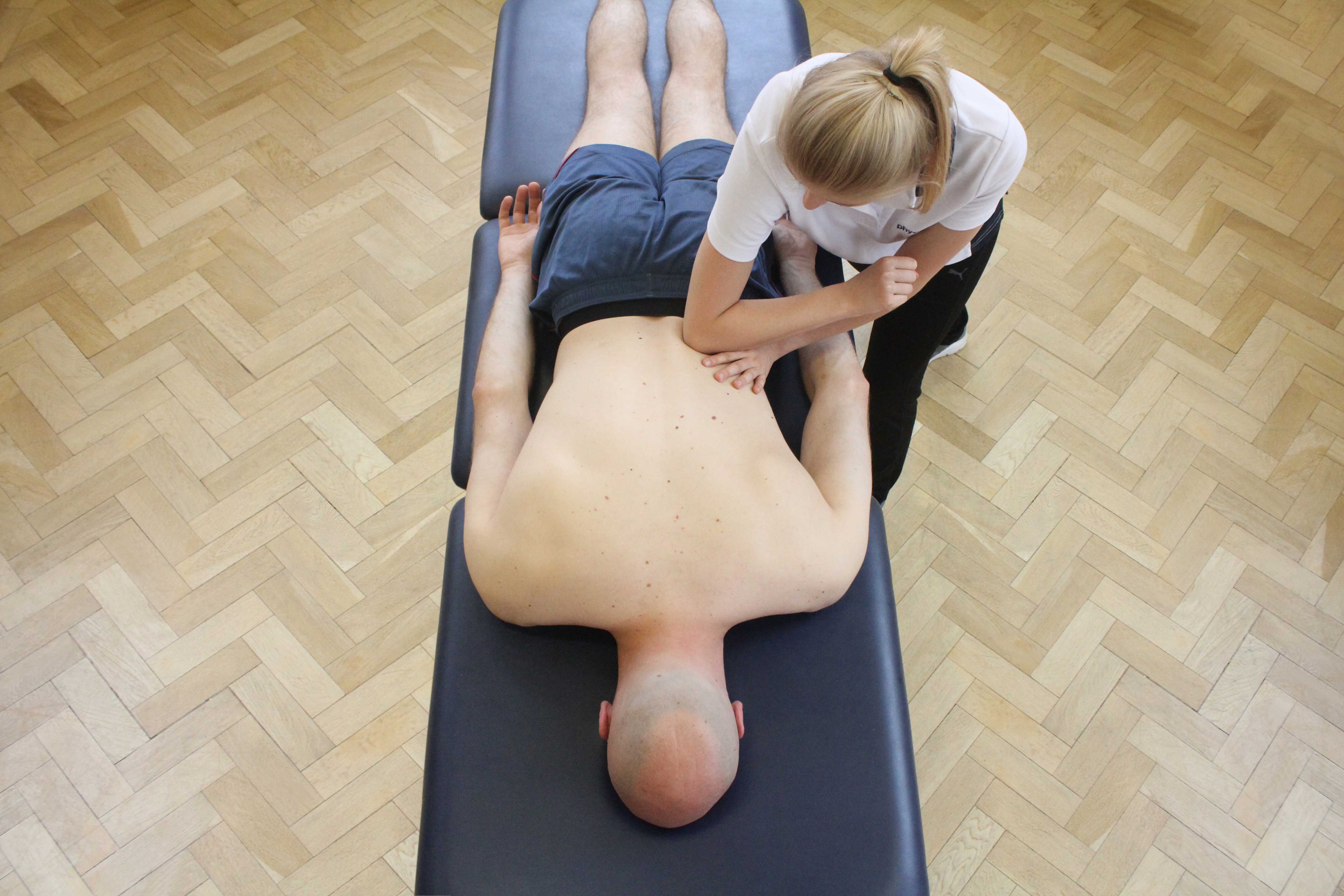 Above: Deep tissue massage of the muscles in the lower back by specialist therapist
For more information about how physiotherapy can help your back, or to book an appointment please call 0161 883 0077.






 f
f