
Home        About Us        Services        Appointments        Payment        FAQs        Contact Us  
 Services
 Physiotherapy
 Acupuncture
 Personal Training
 Stroke Rehab
 Medico-Legal
 Industrial Physio
 Work Related Injuries
 Return to Work Programmes
 Pamper Parties
 Working with Businesses
 Medical Insurance
 Treatments
 Acupuncture
 Electrotherapy
 Low Back Pain
 Massage
 Personal Exercise Programmes
 Pilates
 Poor Posture
 Stroke Rehab
 Manipulation
News
Click here for the latest information on Manchester Physio's services and prices.


Book Online
Use our online booking system to make an appointment and save £10.


Careers
Looking for work? Manchester Physio are always looking to improve our team.


Happy Customers
"Many thanks, I've reccommended you to all my friends."


Contact Us
Whether you want to make a booking or an enquiry, click here.


0161 962 2690


 Book Online
 A - Z of Physio
 Services
 Free Phone Consultation
 Physio for Businesses
 First Visit?
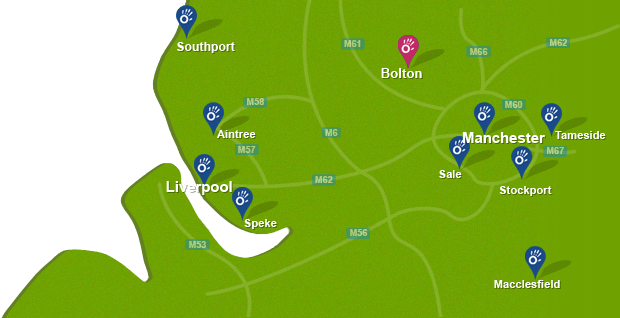
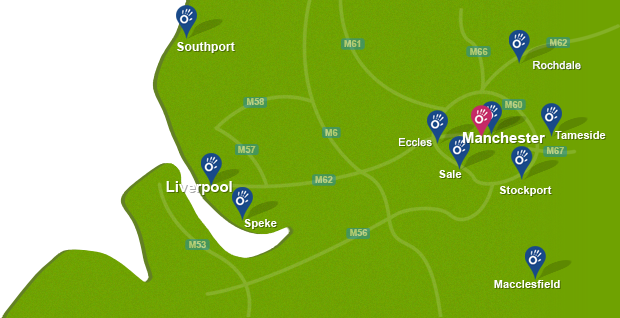
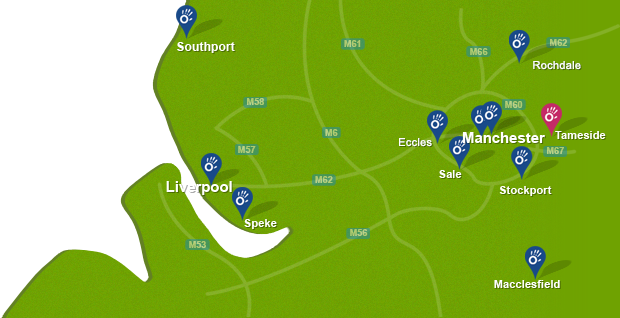
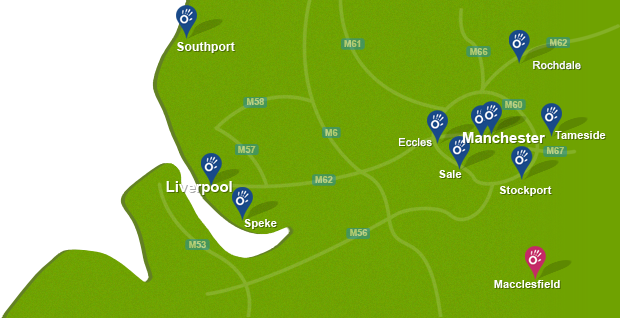
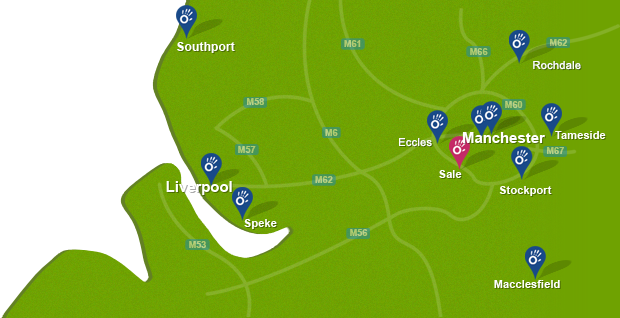
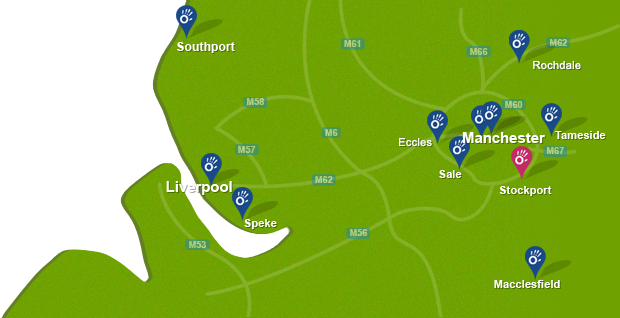
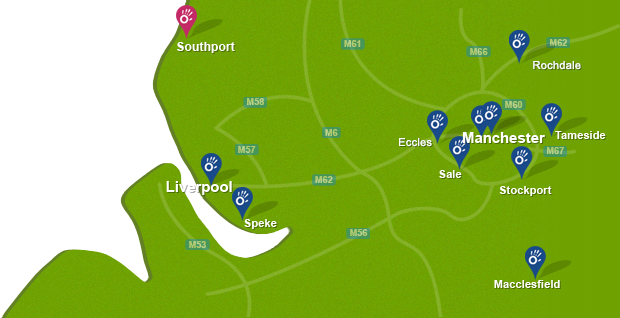
 Areas We Cover
 Student Discount
 Medical Insurance

 To use our interactive diagnosis gizmo, click here 

Strokes

Role of Physiotherapy
Stroke affects everyone in different ways, so your therapist will first assess your condition and help you and your family to understand any problems or impairments you might have after the stroke. Manchester Physio will then work with you on specific problem areas; these will depend on the severity of your stroke, and previous abilities, and the life you hope to lead in the future.

Stroke rehabilitation
Stroke rehabilitation is carried out both inside and outside hospital.

Inside hospital
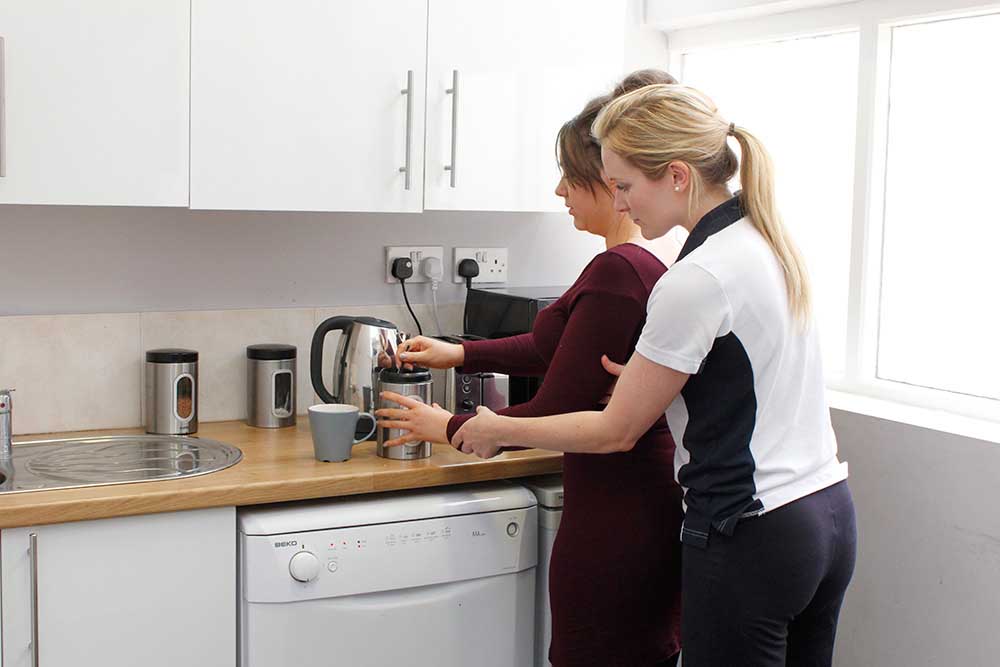
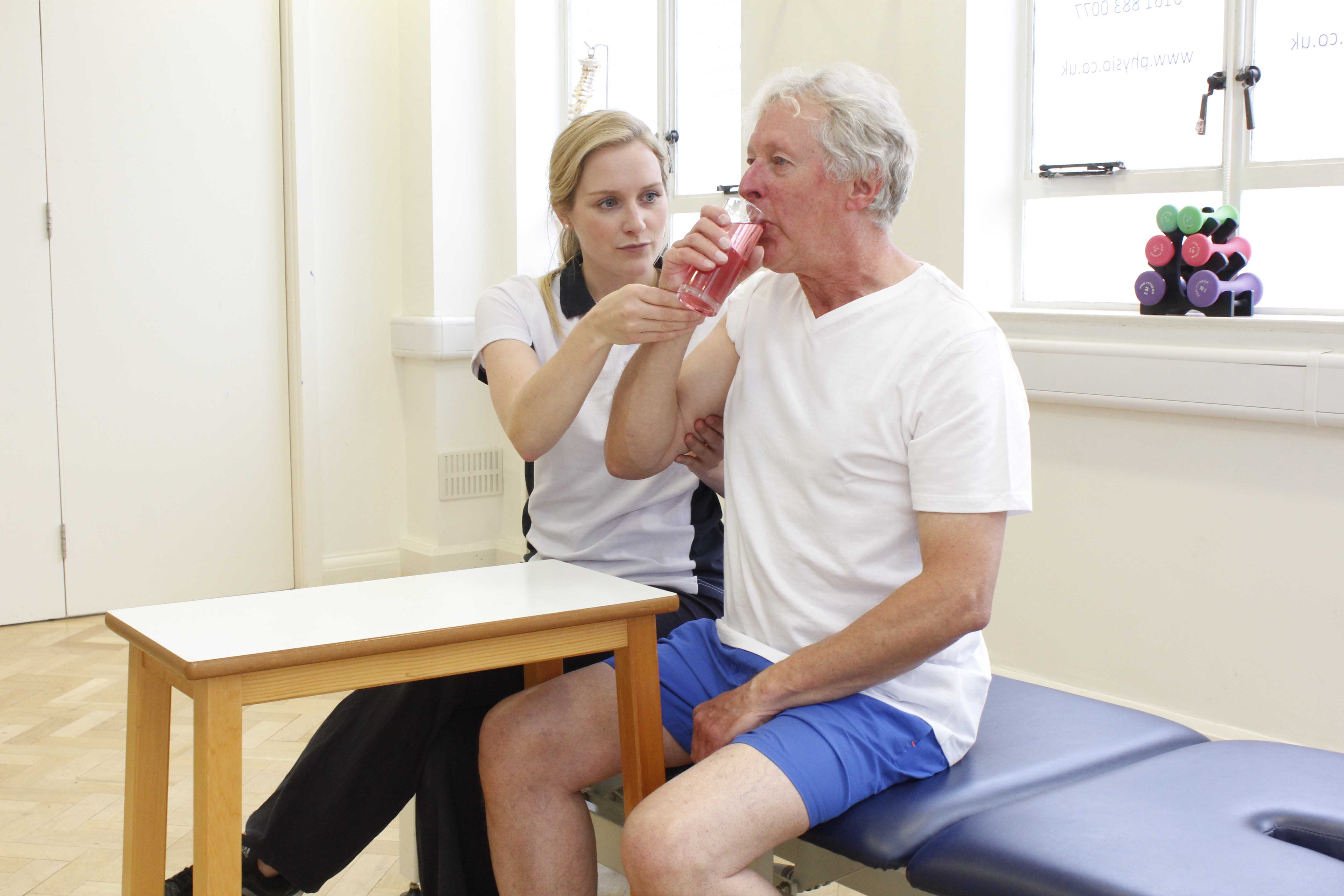
In hospital, physiotherapists will work with people who have had strokes to teach them the necessary skills to return to their home environment. They will also work closely with occupational therapists to make sure that the person will be able to move safely around their home.
While people who have suffered a stroke will have had neuro-physiotherapy in hospital, it's often not the best time to get the most out of physiotherapy. People are often too shell-shocked or ill to make sense of what has happened or to be motivated. Because having a stroke is a a life-changing event, they will need to grieve for the lifestyle left behind and begin to adjust to a set of new and challenging circumstances.

Outside hospital
Physiotherapy after discharge from hospital is very important but the provision of services is often lacking. People who have had a stroke may have had a physiotherapist and/or occupational therapist visit to assess their homes, and to help them and their relatives to prepare the home environment for them to come home to. Sometimes there will be a very long waiting list for physiotherapy, and people may be frustrated by this and eager to carry on with the work done in hospital. They may also want more treatment than the NHS physiotherapy team can offer or want ongoing treatment when NHS input is being curtailed.

No waiting lists
Manchester Physio have no waiting lists and are experienced at treating stroke patients at their home. Manchester Physio are able to continue the work done by physiotherapists in hospital providing a much smoother rehabilitation experience and maximising the potential for improvement.

Not everybody who has a stroke will be admitted into hospital, or be seen by a physiotherapist whilst in hospital. In this case physiotherapy can be arranged through the patient's GP. However, what is provided is often defined, not by clinical need, but by the availability of resources, long waiting lists are common. Manchester Physio can provide immediate appointments. This allows you to receive rapid access to treatment, and a better rehabilitation experience.

How physiotherapy works
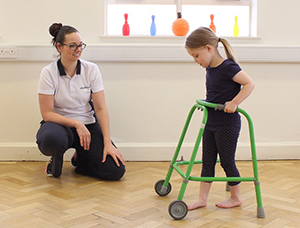
Having a stroke can have a serious impact on movement, sensation, balance and co-ordination and the aim of physiotherapy is to help regain as many of these abilities as possible. The severity of the stroke will dictate how much recovery is possible, but physiotherapy works to maximise potential recovery.

Normally a stroke affects one side of the body and the affected side will often feel weak and heavy, which makes it more difficult for the person to move. In order to compensate for the weaker side, the stronger side becomes dominant and overactive to compensate for the weaker side. This means that a person who has had a stroke will tend to rely heavily on the stronger side of their body.

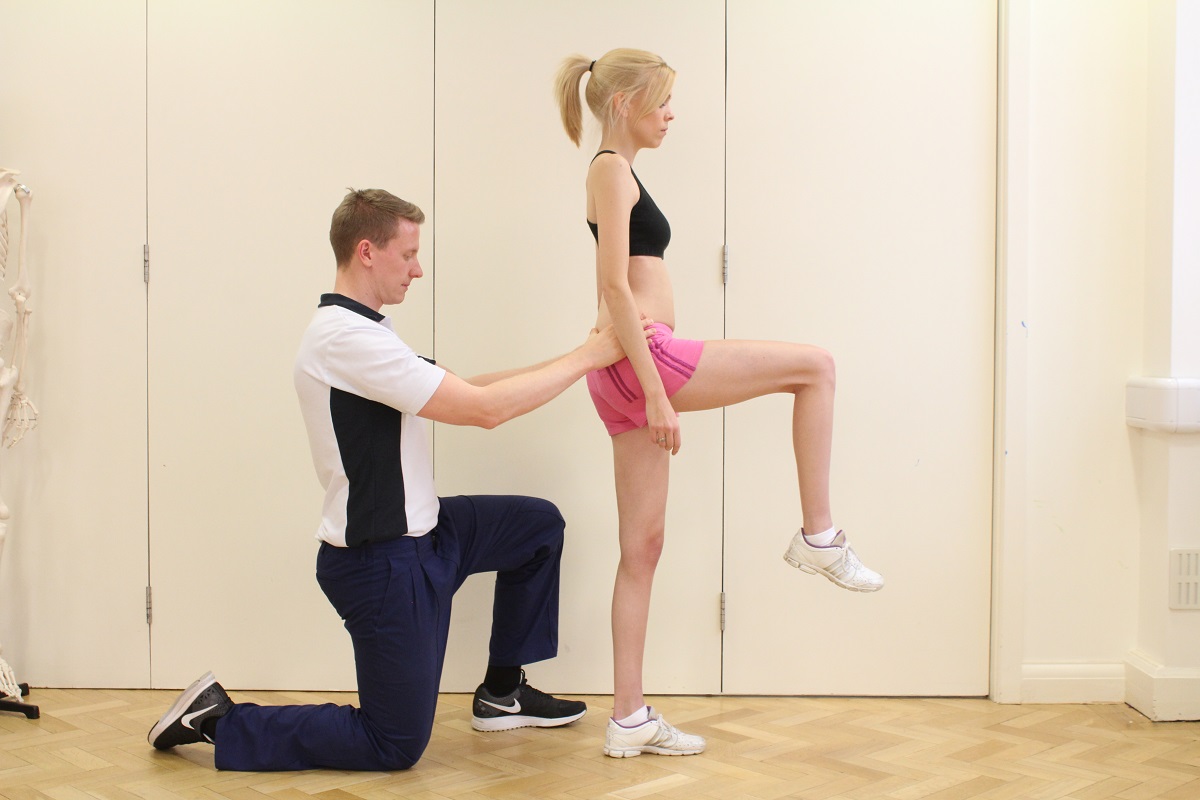
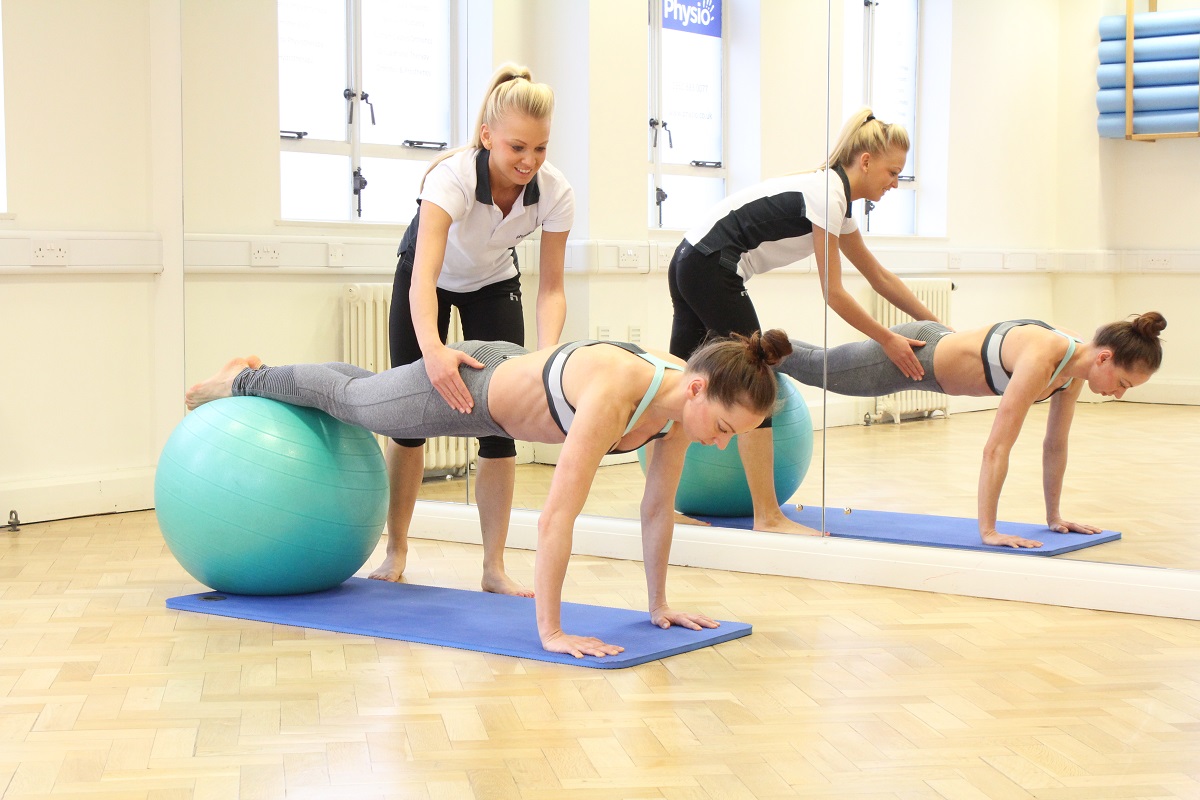
A physiotherapist will assess the alignment and activity of various body parts, and the physiotherapy treatment will focus on getting the side affected by the stroke to move more effectively.

Every person who has had a stroke has different degrees of difficulty in the activities of daily living. Physiotherapy will address the particular problems at the time of treatment. Generally the aim will be to help with mobility and balance. If the stroke is severe, this could mean helping with getting from bed to chair or on and off the toilet. If the stroke is mild and the person young and previo

usly fit, this could mean help with running and jumping, and returning to sport The recovery of movement is most marked in the first 3 months following a stroke, but progress can still be made many years after a stroke. The degree of recovery depends on many factors, the most important being the severity of damage caused to the brain by the stroke.

Individual assessment and treatment is the best way to plan physiotherapy to help with specific problems.

 Treatments:
 Stroke Rehab
 Manipulation
 Massage
 Pilates
 Personal Exercise Programmes
 Related Conditions:
 Headaches
 Back Pain
 For a FREE phone consultation, click here 
 To use our Online Booking System, click here 
 For a full A to Z list of Physiotherapy, click here 
 To see a map of the Areas we cover, click here 
Using a variety of techniques a Physiotherapist can help:
 Alleviate pain
 Restore and increase the range of motion in joints
 Prevent and treat sports injuries
 Increase co-ordination
 Educate patients in the use of walking aids and wheelchairs
 Improve balance
 Conditions
 AC Joint Pain
 Achillies Pain
 Achillies Tendonitis
 Acute Low Back Pain
 Ankle Injury
 Arthritis Pain
 Back Pain
 Back Strain
 Buttock Pain
 Calf Pain
 Calf Strain
 Compartment Syndrome
 Disc Prolapse
 Elbow & Forearm Pain
 Facet Joint Pain
 Foot Pain
 Footballers Ankle
 Fractured Clavicle
 Fractured Ribs
 Frozen Shoulder
 Golfers Elbow
 Groin Pain
 Headaches
 Heel Pain
 Knee Trauma Opperation
 Knee Pain
 Ligament Injuries
 Low Back Pain
 Lumbago
 Neck Pain
 Neck - Broken
 Neck - Stiff
 Pre & Post Op Rehab
 Piriformis
 Quad Pain
 Rotator Cuff
 Repetitive Strain Injuries
 Road Traffic Accidents
 Scoliosis
 Shin Pain
 Shin Splints
 Shoulder Dislocation
 Shoulder Impingement
 Shoulder Pain
 Sarco Iliac Joint Pain
 Sciatica
 Slip Disc
 Spondylolisthesis
 Spondylolysis
 Sports Injuries
 Sterno Clavicular
 Strokes
 Surgery - Pre & Post
 Tennis Elbow
 Thoracic & Chest Pain
 TMJ
 Whiplash
 Wrist & Hand Pain
Not sure if we can help?
Can't find what you're looking for? Have you tried:
 Our A to Z of physio
 Diagnosis gizmo
 Faqs
 First Visit?

Call us:
 0161 962 2690
Manchester Physiotherapy | Careers | Terms & Conditions | Site Map | Links