



 0161 883 0077







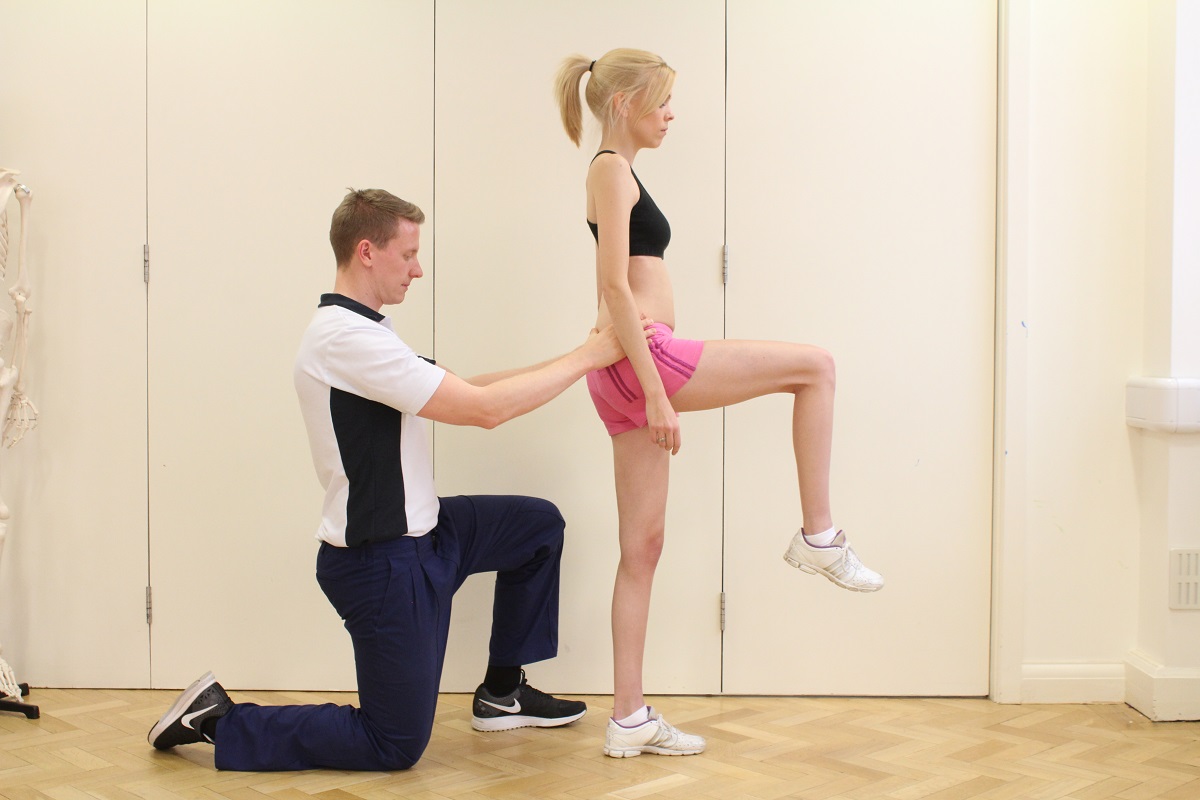

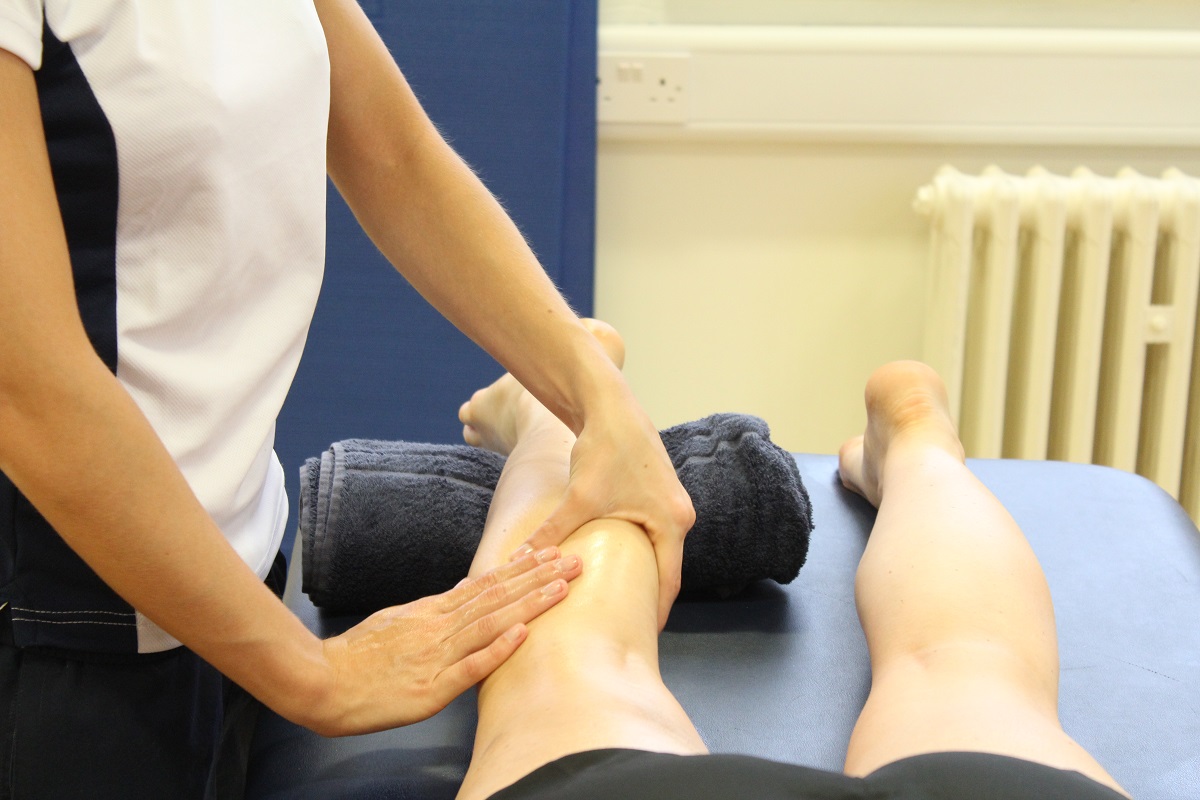


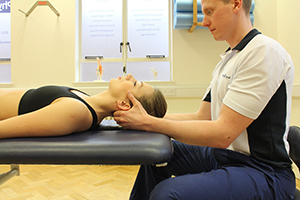




 Above: A patient suffering with pain and discomfort in her chest and thoracic area.
What causes thoracic and chest pain?
There are many causes of thoracic and chest pain which may include:
- Damage to the sternoclavicular (SC) joint - The SC joint is where the collar bone (clavicle) joins with your sternum. A disorder with this joint can cause chest pain and is often injured in conjunction with the acromioclavicular (AC) joint of the shoulder. This joint can be sprained, subluxed and dislocated. Treatment varies dependent upon the severity of the injury.
- Referred pain � Pain in the chest is commonly referred from the thoracic spine. A thorough examination is required in these cases to diagnose the cause of the pain.
- Blunt trauma - The ribs may be fractured or bruised as a result of a direct blow. X-rays will confirm a fracture. These injuries will be tender for at least three weeks. Recovery from these injuries can be speeded up by physiotherapists.
- Poor posture - Large amounts of time spent sitting at desks and using computers puts stresses and strains on the joints, muscles and ligaments in the thoracic spine. This causes pain in the thoracic spine which may also refer to the chest region.
- Non-musculoskeletal chest pain - There is usually no obvious method of injury or trauma with non-musculoskeletal chest pain. Chest pain (often described as central and crushing) associated with symptoms such as arm pain, palpitations, shortness of breath and sweating may indicate that the pain is cardiac in nature i.e. heart or angina attack. An ambulance should be called as urgent hospital treatment is required in the case of a heart attack.
What are the symptoms/effects of thoracic and chest pain?
Symptoms of thoracic and chest pain include a
- Persistent aching pain,
- Sharp pains on certain movements such as rotation,
- Stiffness and a feeling of not being able to get comfortable in a sitting position.
Diagnosis of thoracic and chest pain
A thorough physical examination and subjective history from a physiotherapist or doctor will confirm a diagnosis of thoracic and chest pain and identify the contributing factors.
Physiotherapy for upper back pain
Physiotherapy treatment at Manchester Physio will reduce your pain and improve your posture by using a combination of hands-on techniques and exercise.
At Manchester Physio, your physiotherapist will initially assess your present symptoms and conduct a physical examination of your back and related areas to identify the cause of your symptoms and develop a rehabilitation programme tailored to this.
Physiotherapy treatment for thoracic and chest pain may include:
- Joint mobilisation and manipulation of the joints to relieve stiffness and pain
- Massage to the spinal muscles to reduce tension and muscle spasm
- Heat therapy to promote healing and reduce pain and tension
- Trigger point treatment
- Acupuncture
- Exercise programme involving stretching and strengthening exercises.
- Core stability exercises to help stabilise the spine and relieve pain
- Postural management to relieve discomfort in lying, sitting or standing
- Ergonomic assessment to improve posture and comfort at work
For more information about physiotherapy for thoracic and chest pain, or to book an appointment please call 0161 883 0077.






 f
f