


 0161 883 0077












What is Piriformis Syndrome?
Piriformis syndrome is when the piriformis muscle becomes tight and therefore inadvertently puts pressure on the sciatic nerve. The disorder therefore causes pain and tingling and numbness in the buttocks in the area in which the sciatic nerve exists.
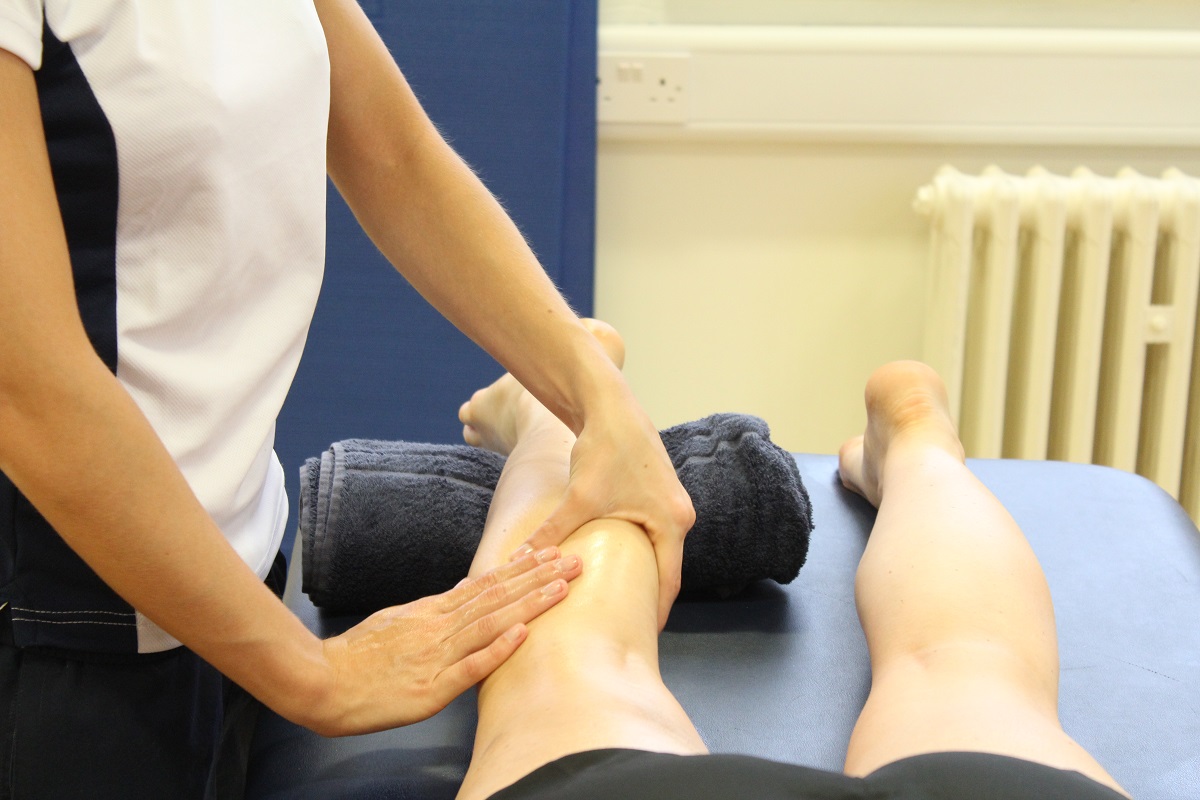
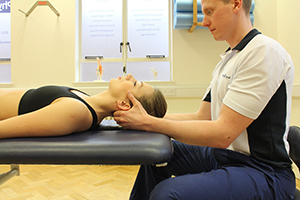
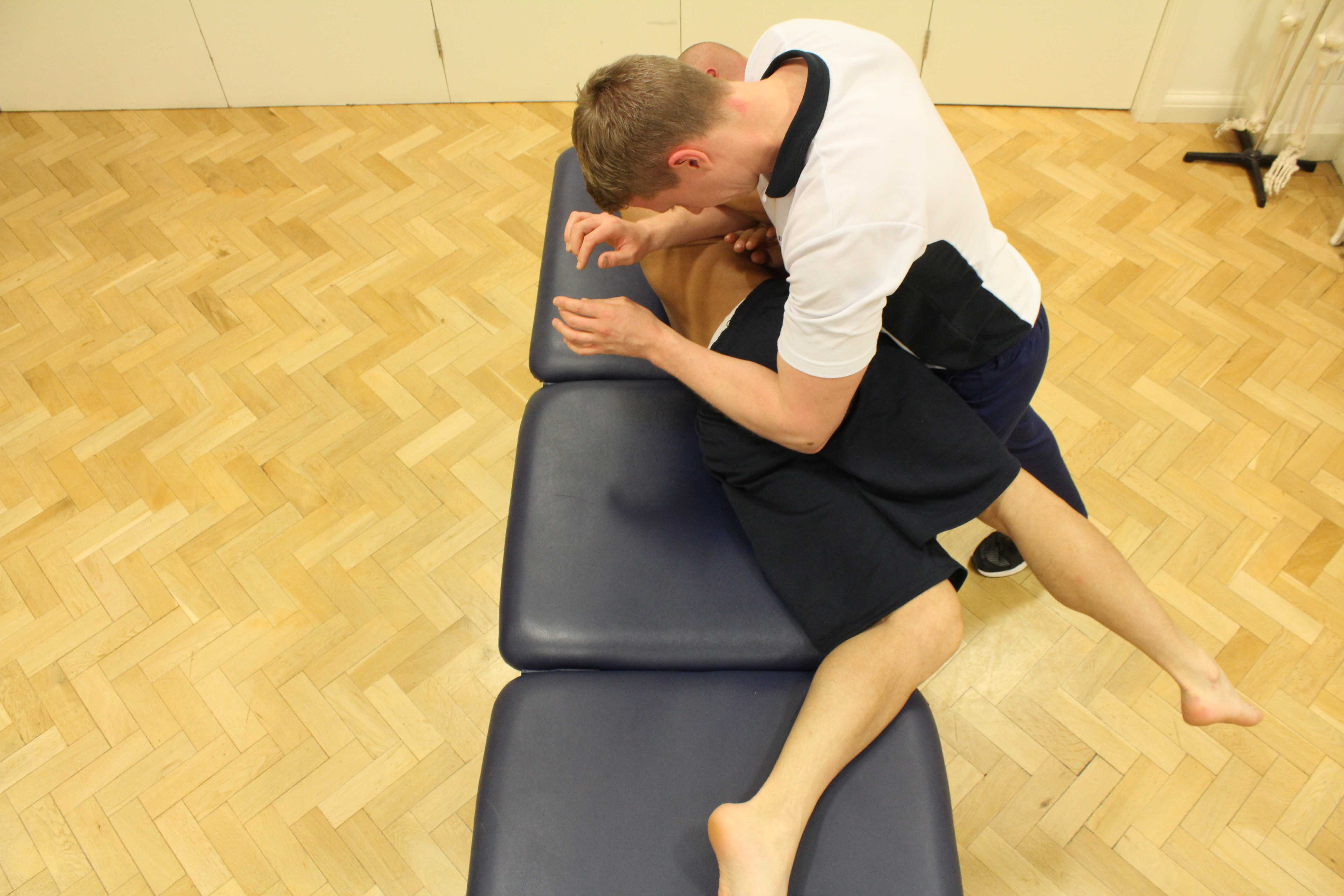 Above: Our massage therapist providing effective techniques to help treat piriformis syndrome.
What Causes Piriformis Syndrome?
Piriformis Syndrome is most commonly caused by other muscles being tight or not working sufficiently and therefore putting more strain on the piriformis.
Muscle imbalances (meaning one muscle being more powerful than the other causing a tug of war effect) pull the hip joints and pelvis out of place and this changes this position alteration often tightens the piriformis muscle which in turn places pressure on the nerve.
What are the Symptoms of Piriformis Syndrome?
Symptoms of piriformis syndrome include pain in the buttocks that may radiate down the leg.
Diagnosis of Piriformis Syndrome
A physiotherapist or doctor will thoroughly examine your hips, buttocks and legs to confirm a diagnosis.
Physiotherapy Treatment for Piriformis Syndrome
People with piriformis syndrome do well with appropriate physiotherapy. This often involves massage and stretches to the piriformis muscle.
A graduated flexibility and strengthening program guided one of our physiotherapists at Manchester Physio will accelerate healing and recondition the piriformis muscle. This is essential to reduce the likelihood of injury recurrence.
Your rehabilitation program at Manchester Physio will focus on restoring normal activity by:
- Heat and cold therapy
- Ultrasound to accelerate healing
- Stretching tight muscles around your buttock hip and legs
- Soft tissue massage to relieve tight muscles and to reduce compression of the sciatic nerve.
- Advice on how to modify activity
- Exercises to strengthen the muscles to improve balance once pain and numbness has settled
For more information about physiotherapy for piriformis syndrome, or to book an appointment please call 0161 883 0077.






 f
f