


 0161 883 0077










What is a Sternoclavicular joint sprain?
A sternoclavicular joint sprain is the over-stretching or tearing of the ligaments in the sternoclavicular (SC) joint. The sternoclavicular (SC) joint is important because it helps support the shoulder. The SC joint links the bones of the arms and shoulder to the vertical skeleton. Most SC joint problems are relatively minor. However, certain types of injuries require immediate medical attention.
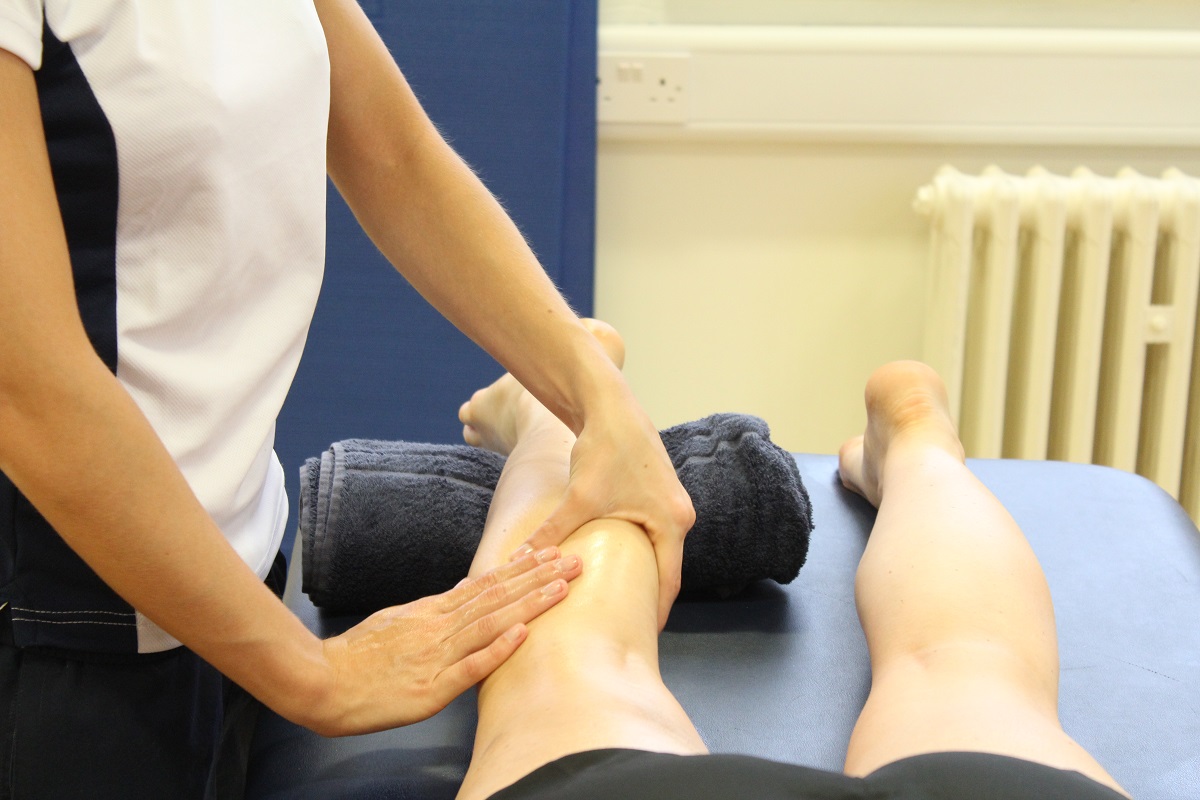
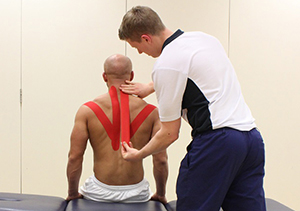
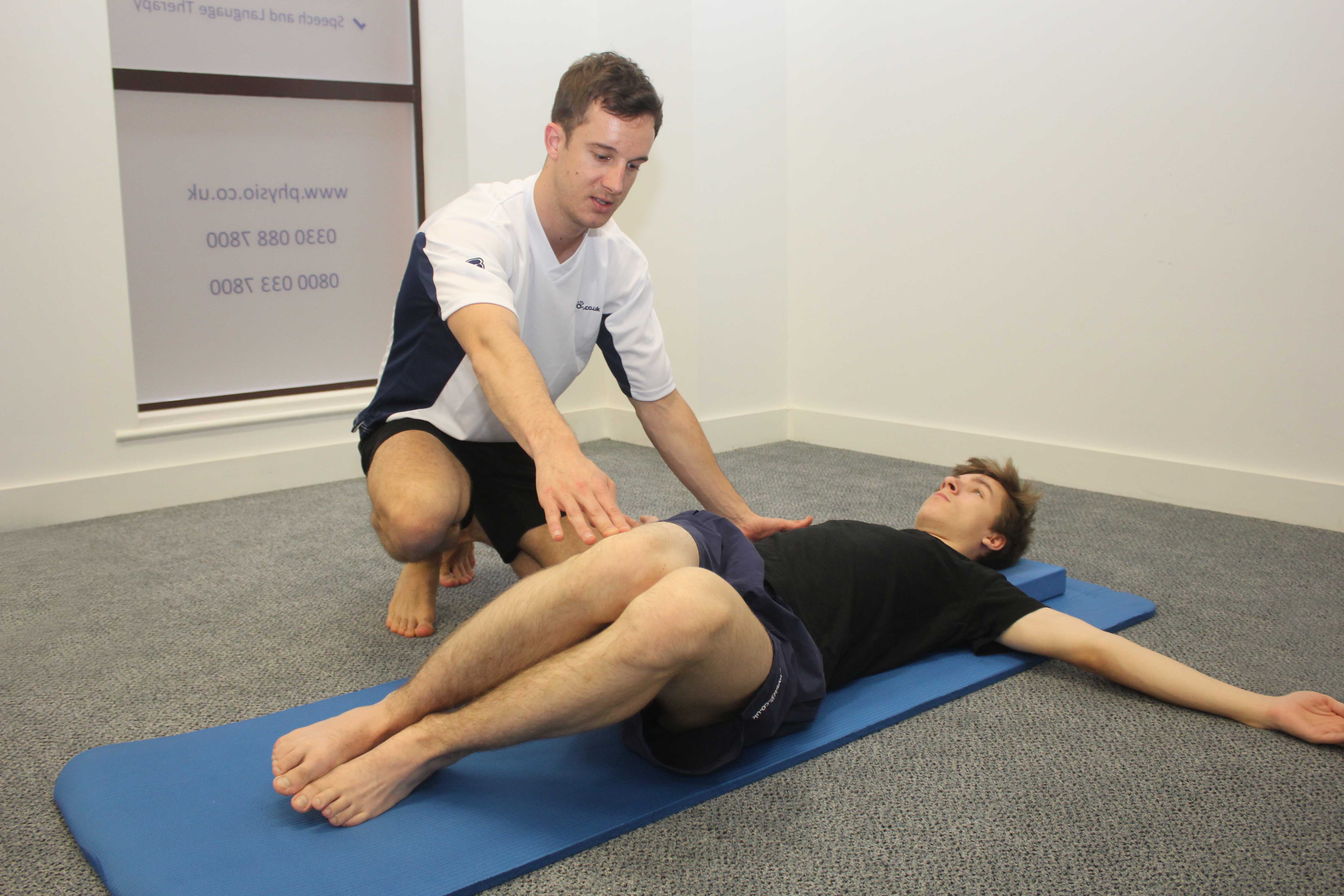 Above: Soft tissue massage applied to the chest by an experienced therapist
What causes a sternoclavicular joint sprain?
The main cause of SC joint sprains is car accidents followed by sporting injuries and falls. The SC joint is one of the least commonly dislocated joints in the body.
Indirect force causes most injuries to the SC joint. Indirect force involves something hitting the shoulder very hard. The shoulder is pushed in and rolled either forward or backward, affecting the SC joint.
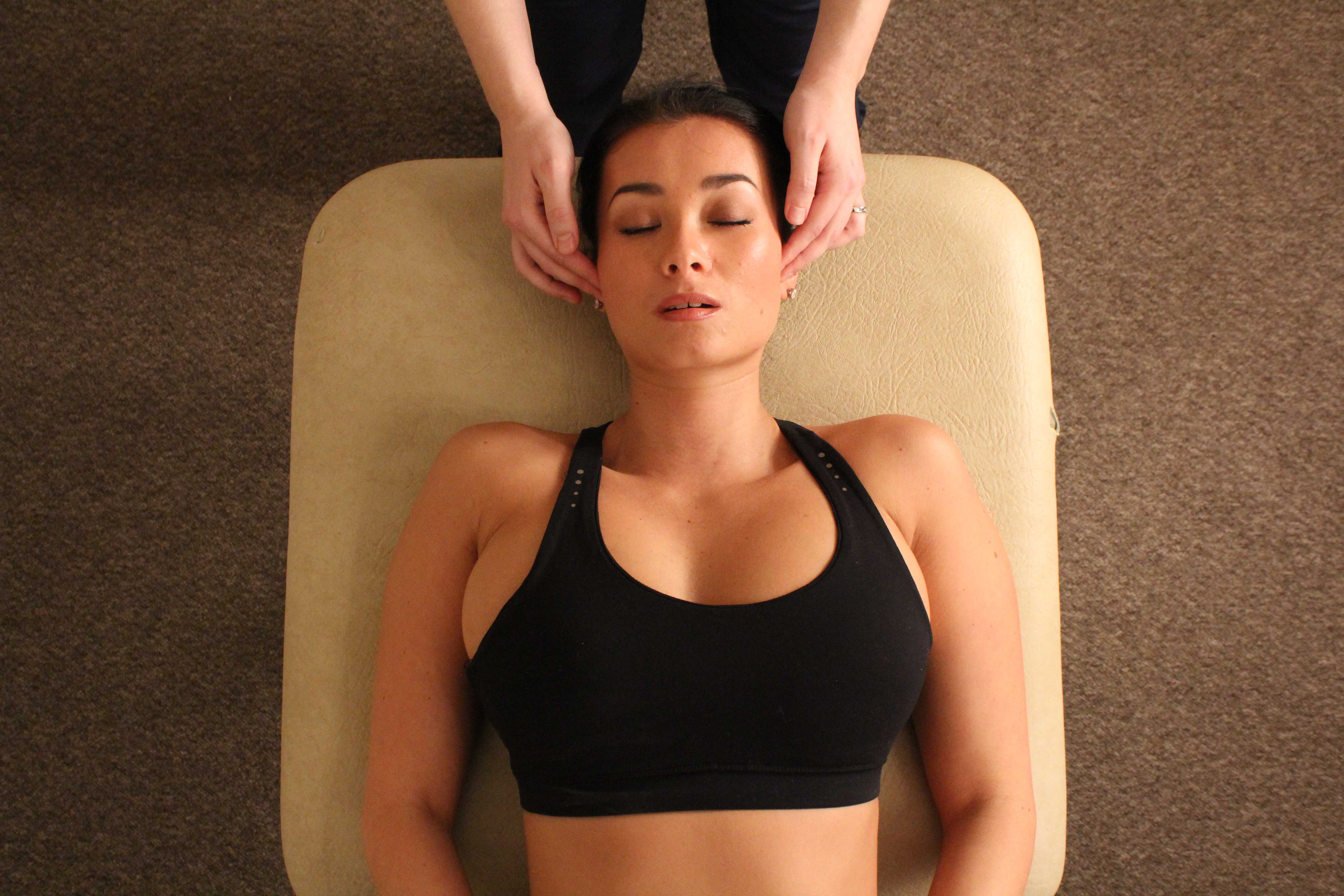 Above: Trigger point massage applied to the chest muscles by a specialist MSK therapist
When the SC joint is dislocated, it is usually an anterior dislocation. This means that the clavicle is pushed forward, in front of the sternum. Dislocating in the opposite direction is less common because the ligaments on the back side of the joint are so strong. Direct force against the front of the clavicle can push the end of the clavicle behind the sternum, into the area between the lungs. This is called a posterior dislocation. It takes a lot of force to cause a posterior dislocation due to the strength of the ligaments behind the joint.
Posterior dislocations can be very dangerous, because the area behind the sternum contains vital organs and tissues.
What are the symptoms of Sternoclavicular joint sprain?
If you have a sprain, you will have pain but the joint will still be stable. In moderate sprains the joint becomes unstable. In rare cases, patients have a stable joint but a painful clicking, grating, or popping feeling that indicates an injury to the intra-articular disc ligament. This type of injury causes pain and problems moving the SC joint.
However you will know immediately if your SC joint has dislocated as dislocation causes severe pain that gets worse with any arm movements. In anterior dislocation, the end of the clavicle juts out near the sternum. This causes a hard bump in the middle of the chest. In posterior dislocation, a bump is usually not obvious. With posterior dislocations you can have difficulty breathing, shortness of breath, or a feeling of choking. Some patients have trouble swallowing or have a tight feeling in their throats.
Diagnosis of Sternoclavicular joint sprain
If you suspect you have damaged your shoulder it is important to seek medical attention as soon as possible. A thorough assessment from a doctor along with an X-ray will confirm a diagnosis of Sternoclavicular joint sprain.
Physiotherapy treatment for Sternoclavicular joint sprain
At Manchester Physio our specialised physiotherapists provide individualised assessment and treatment for people with a Sternoclavicular joint sprain.
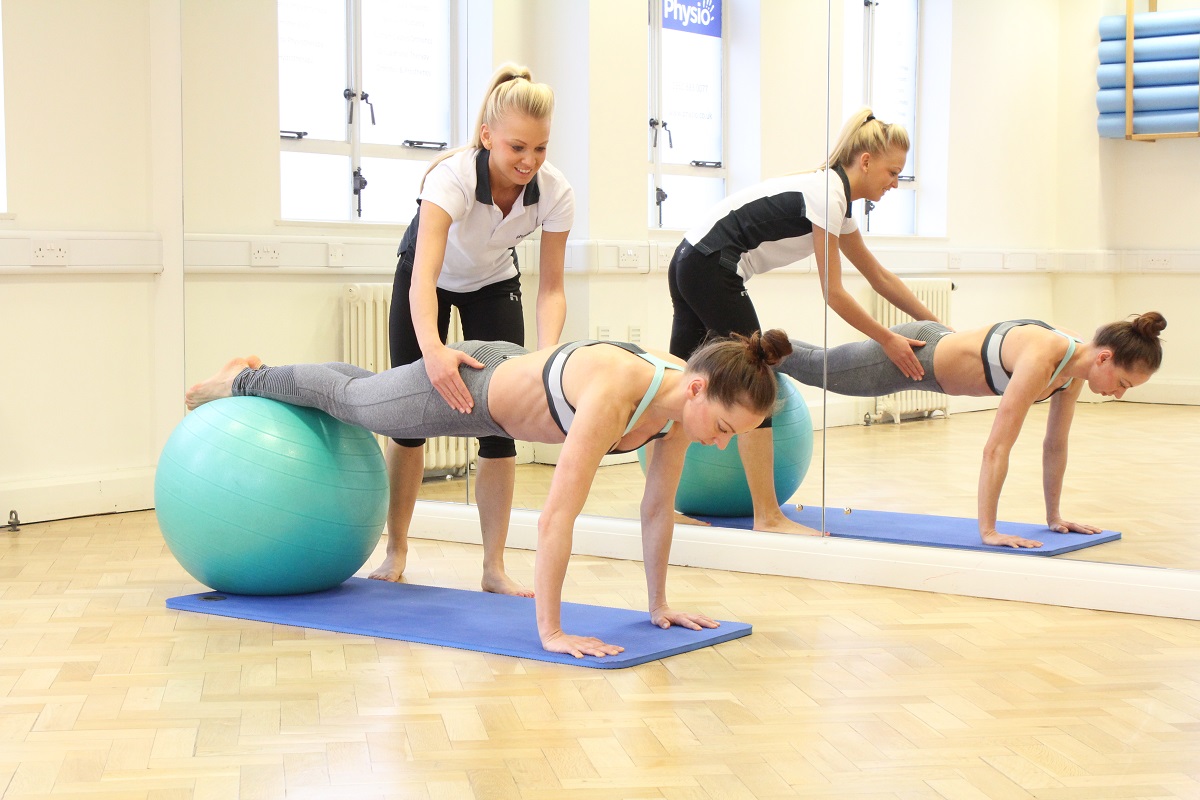
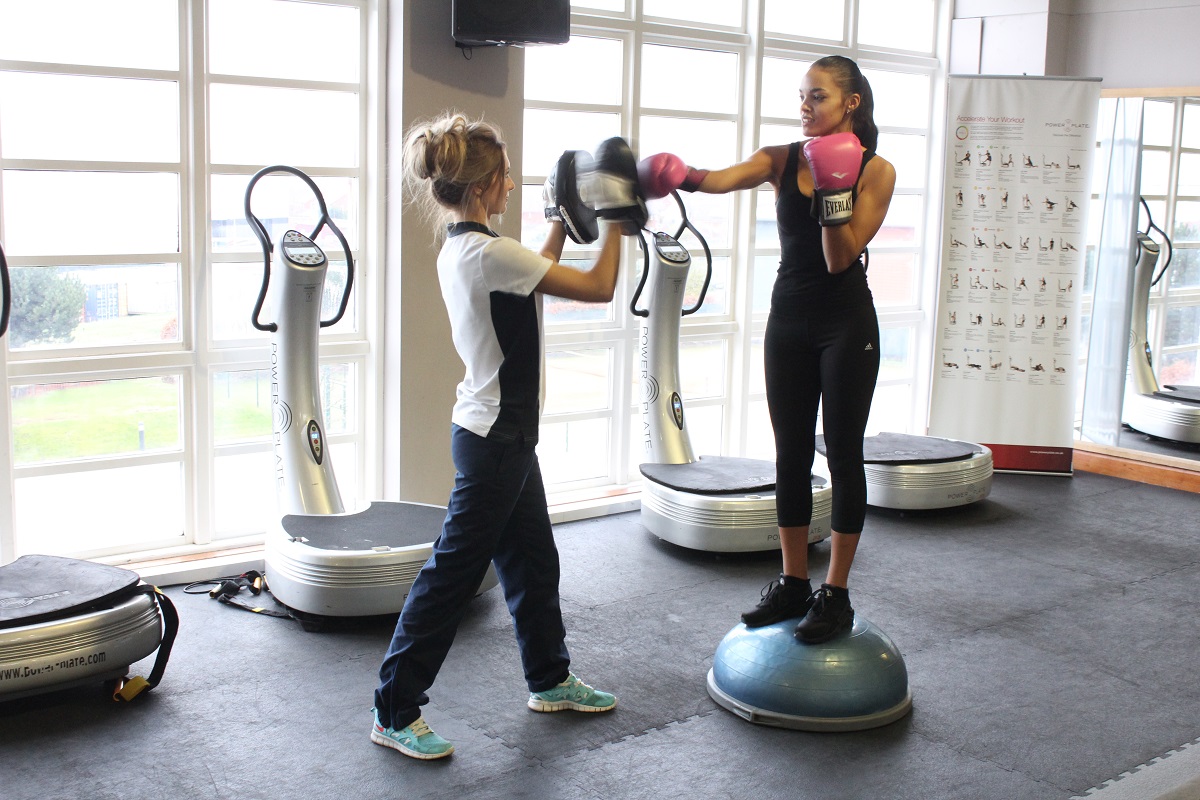
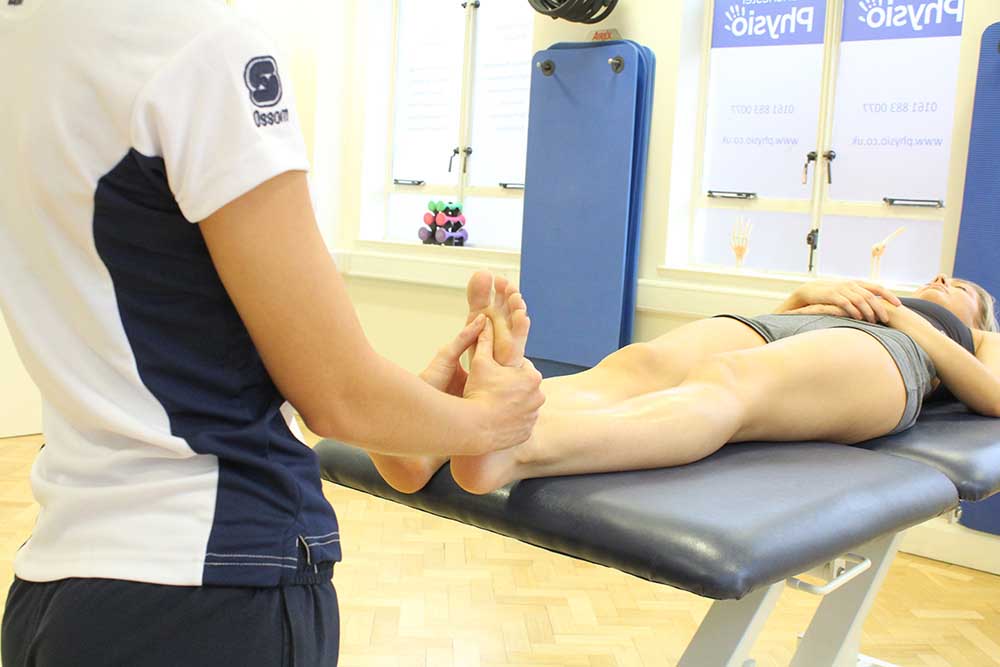 Above: Progressive strength training for the chest muscles supervised by specialist MSK physiotherapist
Following an initial assessment at Manchester Physio, you physiotherapist will develop a treatment program tailored to you. Physiotherapy treatment will depend on your injury and current symptoms but may include:
- Advice about how to modify activity while shoulder is still healing.
- Advice about bracing to support the SC joint help. Patients with a moderate sprain may need to wear this type of strap for four to six weeks. The strap protects the joint from another injury and lets the injured ligaments heal and become strong again.
- Ultrasound to promote healing
- Cold and Heat Therapy
- Specialised shoulder exercise program including stretching to regain pain free range of movement and strengthening to maximise function and promote return to sporting and everyday activities.
Physiotherapy treatment at Manchester Physio will facilitate healing, reduce pain and stiffness and ensure you get back to your hobbies and daily activities as quickly and as safely as possible.
For more information as to whether you would benefit from physiotherapy, or to book an appointment please call 0161 883 0077.
For more information as to whether you would benefit from physiotherapy, or to book an appointment please call 0161 883 0077






 f
f